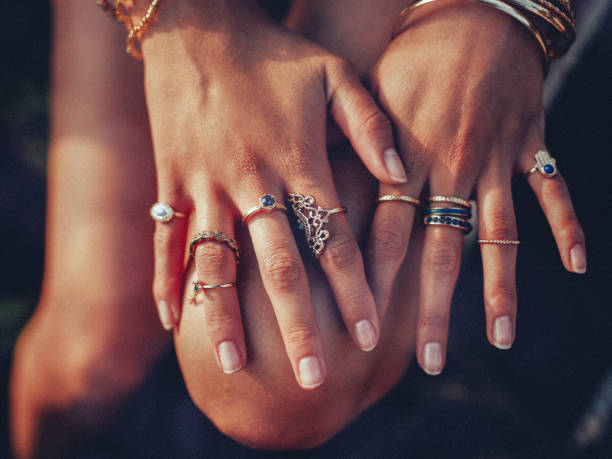
Gold has long been regarded as a symbol of wealth, beauty, and timelessness. However, there is more to the value of gold jewelry than meets the eye. When purchasing gold jewelry, jewelers consider various factors that contribute to the price they pay for acquiring these pieces. Understanding these factors can help customers make informed decisions when buying or selling gold jewelry.
Factors That Influence Jewelers’ Costs
- Gold Purity (Karat Weight):
Gold purity is measured in karats, with 24-karat being pure gold. The higher the karat value, the more expensive the piece. Jewelers assess the karat weight carefully when determining how much to pay for gold jewelry. - Current Market Price of Gold:
The price of gold fluctuates daily based on global supply and demand dynamics. Jewelers monitor these market trends closely since they directly impact how much they need to pay for raw or finished gold items. - Craftsmanship:
High-quality craftsmanship significantly increases the value of a piece. Intricate designs or custom-made items require more labor and expertise, which drives up costs. - Brand Value:
If a piece comes from a renowned designer or brand, it commands higher prices due to its prestige and perceived exclusivity. - Additional Materials Used:
Many pieces incorporate gemstones such as diamonds or other metals like platinum into their designs. These additional materials influence how much jewelers are willing to invest in acquiring such pieces.
How This Impacts Customers
- Higher Retail Prices:
To cover their acquisition costs and ensure profitability, jewelers pass on expenses to customers in the form of higher retail prices. This is especially true for pieces with intricate designs or high levels of purity. - Trade-In Offers:
When customers sell their old gold jewelry, they may receive offers influenced by both the current market conditions and the jeweler’s anticipated margin requirements. - Customization Charges:
Custom-designed jewelry often includes additional fees that reflect both material acquisition costs and labor expenses incurred by skilled artisans.
Price Comparisons: New vs Resale Jewelry
| Factor | New Gold Jewelry | Resale/Trade-In Jewelry |
| Price Determinants | Raw material + Craftsmanship | Market conditions + Wear & tear |
| Customer Pricing | Higher price | Typically lower than purchase |
| Jewelers’ Premium | Significant | Moderate |
Tips for Customers Shopping at Jewelry Stores
- Research current market prices for gold before making transactions.
- Compare offers from multiple jewelers when selling your items.
- Look for reputable retailers who provide transparent details about purity and pricing.
- Consider timing your purchase during price dips in the global market if possible.
By understanding why jewelers invest heavily in acquiring fine pieces and how it impacts customer pricing, you can better navigate decisions regarding your own collection while maximizing its value over time.
The Intrinsic Value of Gold Buying and Selling and Its Timeless Appeal in Jewelry
Gold has long been regarded as one of the most valuable and sought-after materials for crafting jewelry. Its enduring appeal is rooted in its unique physical properties, cultural significance, and the emotional connections it fosters. Understanding the intrinsic value and timeless allure of gold can help both jewelers and customers appreciate its worth beyond monetary considerations.
The Unique Properties of Gold
- Durability: Gold is resistant to tarnish, corrosion, and rust, which ensures it retains its appearance over time.
- Malleability: Gold is highly malleable, allowing jewelers to mold it into intricate designs without compromising its structure.
- Hypoallergenic Nature: Pure gold (24 karats) is hypoallergenic, making it suitable for individuals with sensitive skin.
These properties not only enhance gold’s aesthetic appeal but also contribute to its value as a lasting investment.
Cultural Significance of Gold
- Symbol of Wealth: In ancient civilizations such as Egypt, Rome, and India, gold was used to signify royalty and prosperity.
- Religious Ceremonies: From Hindu weddings to Christian religious artifacts, gold has been integral to various spiritual traditions.
- Gift for Milestones: Gold jewelry remains a popular gift option for celebrating life milestones such as weddings, anniversaries, or special achievements.
Its sustained relevance throughout history underscores why gold continues to hold a prominent place in the jewelry industry.
Timeless Appeal Across Style Trends
| Aspect | Why It Matters |
| Versatility | Available in yellow, white, and rose variations to suit different tastes. |
| Complements Any Style | Pairs seamlessly with gemstones or stands out beautifully on its own. |
| Investment Potential | Offers both aesthetic value and resale opportunities due to consistent demand globally. |
Gold transcends fleeting trends by adapting to evolving design aesthetics while retaining its inherent elegance.
Emotional Connection to Gold Jewelry
- Heirlooms passed down through generations symbolize family legacy.
- Custom-designed pieces commemorate personal stories or significant life moments.
- Wedding rings made from gold represent enduring love due to their timeless quality.
This emotional resonance enhances the joy of owning or gifting gold jewelry.
Why Customers Continue to Choose Gold
- Long-Term Value: Customers recognize that investing in high-quality gold jewelry provides lasting worth.
- Uniqueness: With endless design possibilities available across styles ranging from traditional elegance to modern minimalism.
- Sustainability Considerations: Recycled or responsibly sourced options now available align with ethical consumer values.
By understanding these factors driving customer preferences toward golden adornments today ensures appreciation remains stronger tomorrow—making it more than just another purchase choice but rather meaningful expression always appreciated everywhere regardless changing times evolve around us .
Exploring the Versatility of Gold in Innovative Jewelry Design
Gold has long been celebrated for its timeless value and universal appeal. However, what truly sets it apart is its versatility, making it a favored material for countless innovative jewelry designs. From classic pieces to contemporary creations, gold’s malleable nature allows jewelers to craft unique designs that cater to a wide array of preferences and styles.
Unique Characteristics That Enhance Design Flexibility
- Malleability: Gold can be hammered into thin sheets or drawn into fine wires without breaking, enabling intricate detailing.
- Durability: While pure gold (24k) is soft, alloys mixed with metals like silver, copper, or platinum increase its strength while maintaining its sheen.
- Color Variations: Gold can be alloyed to create a spectrum of colors:
- Yellow Gold: A classic choice often blended with silver and copper.
- White Gold: Made by adding metals like palladium or nickel for a sleek, contemporary look.
- Rose Gold: Contains higher copper content for a warm, pinkish hue.
- Green Gold: A subtle green tint achieved by blending gold with silver.
Trends in Innovative Gold Jewelry Designs
- Mixed-Metal Pieces
Combining gold with other metals (like platinum or titanium) adds contrast and dimension while catering to modern aesthetics. - Minimalist Designs
Sleek and understated gold necklaces, rings, and bracelets have become popular among individuals seeking timeless yet subtle accessories. - Organic Textures
Hammered finishes or raw textures inspired by nature are gaining traction as customers gravitate towards designs that feel unique and handcrafted. - Geometric Patterns
Bold shapes such as triangles, hexagons, or asymmetric patterns are widely featured in contemporary collections. - Personalized Jewelry
Customizable options using laser engraving on gold pendants or bracelets have gained popularity, offering sentimental value alongside aesthetic beauty.
Comparison Table: Types of Gold Used in Jewelry Design
| Type of Gold | Description | Common Use Cases | Price Range |
| Yellow Gold | Traditional gold color; alloyed with silver & copper | Bridal sets; vintage-inspired jewelry | $$ – $$$ |
| White Gold | Silvery-white appearance created by rhodium plating; durable | Modern rings & necklaces | $$ – $$$ |
| Rose Gold | Pinkish hue from higher copper content; romantic appearance | Fashion-forward earrings or bracelets | $$ |
| Green Gold | Faint green tone from silver alloying; rare design element | Custom pieces | $$$ |
Note: Prices may vary based on karat (purity), craftsmanship involved, and region-specific market conditions.
Why Choose Gold for Modern Jewelry?
- Timeless Investment: Beyond its aesthetic appeal, gold retains intrinsic value over time.
- Hypoallergenic Properties: Pure forms of gold are less likely to cause skin reactions compared to other materials.
- Sustainability Options: Many jewelers now use recycled gold for eco-conscious consumers seeking sustainable luxury pieces.
Gold’s versatility continues to inspire innovation across the jewelry industry while meeting the evolving demands of consumers who appreciate both heritage craftsmanship and contemporary artistry alike. Its ability to blend tradition with modernity ensures that it remains an enduring cornerstone in jewelry design worldwide.

How to Get the Best Price When Selling Your Gold Jewelry
Selling gold jewelry can be an effective way to generate quick cash or declutter your collection. However, maximizing the value of your jewelry requires careful planning and informed decision-making. Below are actionable tips and insights to help you get the best price when selling your gold jewelry.
Understand the Value of Your Gold Jewelry
- Purity (Karat): Gold is measured in karats, ranging from 10K to 24K. Higher karat means higher purity and value.
- Weight: The weight of your gold is typically measured in grams or troy ounces. Heavier pieces carry more value since they contain more gold.
- Market Price: Gold prices fluctuate based on global market conditions. Research the current spot price of gold as a baseline for negotiations.
- Additional Features: If your jewelry contains gemstones, intricate designs, or is made by a notable designer, it might hold added value beyond its gold content.
Research Buyers
| Buyer Type | Pros | Cons |
| Local Jewelers | Convenient and trustworthy | May offer slightly lower prices |
| Pawn Shops | Quick transactions | Typically lower payouts |
| Online Gold Buyers | Competitive rates | Risk of scams; shipping required |
| Private Buyers | Potentially higher offers | Requires time for negotiation |
Steps to Maximize Value
- Appraise Your Jewelry: Have a professional appraise high-value or antique pieces to understand their worth beyond their metal content.
- Clean Your Jewelry: Presenting clean and polished items can increase their perceived value during evaluation.
- Shop Around: Visit multiple buyers (both local and online) to compare offers.
- Negotiate Wisely: Be prepared to negotiate using knowledge about purity, weight, and current market prices as leverage.
- Sell at the Right Time: Monitor market trends and aim to sell when gold prices are high.
Red Flags When Selling Gold Jewelry
- Buyers who don’t weigh your jewelry in front of you
- Businesses that pressure you into making a quick decision
- Unclear pricing or fees deducted from payouts
- Lack of proper credentials or licensing
Tips for Selling Unique Pieces
- Consider consignment with upscale jewelers who cater to luxury buyers.
- Explore auction houses specializing in fine jewelry.
Proper due diligence ensures that you not only secure maximum financial returns but also maintain peace of mind throughout the process.
Jewelry Store vs Pawn Shop: The Best Place to Sell Your Gold Jewelry for Maximum Value
Selling gold jewelry can be an intimidating process if you’re unsure of how to navigate it. However, with some knowledge and preparation, you can ensure a safe and seamless experience while maximizing your return. Below, we’ll walk through key steps, tips, and considerations to help you sell your gold jewelry safely and profitably.
Understand the Value of Your Gold Jewelry
Before selling your gold jewelry, it’s important to understand its worth. Several factors impact the value:
– Gold Purity (Karat): Gold is typically measured in karats (e.g., 10K, 14K, 18K, or 24K). Higher karat values indicate higher gold content.
– Weight: The weight of your piece in grams or ounces directly affects its value since gold is priced per unit weight.
– Market Price of Gold: Keep an eye on the current spot price of gold on financial markets. Prices fluctuate daily based on supply and demand trends.
– Jewelry Design: Intricate designs or branded pieces may hold additional aesthetic or collector’s value beyond just the metal itself.
If possible, take your jewelry to a professional appraiser who can give you a comprehensive estimate based on these factors.
Choose a Reliable Buyer
Finding a trustworthy buyer is crucial for ensuring safety and getting optimal value for your gold jewelry. Consider these options:
1. Local Jewelers: Many jewelers buy secondhand gold directly from customers. They often have transparent weighing processes and competitive rates. 2. Gold Buying Companies: Specialized companies focus entirely on purchasing gold items but research their credibility before proceeding. 3. Pawn Shops: While convenient for quick sales, pawn shops may not offer top dollar due to higher profit margins. 4. Online Platforms: Selling online can sometimes yield higher offers but requires thorough research to avoid scams.
Tips for Ensuring Safety When Selling
To protect yourself during transactions:
– Always check reviews or ratings for buyers before engaging with them. – Ask questions about how they calculate their offers (e.g., karat testing methods).
– Avoid sales involving unclear documentation—get everything in writing. – If selling in person, meet at well-lit public locations or trusted businesses.
Maximize Your Return with These Strategies
To get the most value when selling your gold jewelry:
1. Shop Around: Visit multiple buyers to compare offers before finalizing any sale. 2. Sell During High Market Prices: Timing is key—monitor market trends and consider selling when prices are favorable. 3. Separate Items by Purity Level: Buyers may weigh items together unless you separate them by karat grade beforehand. 4. Understand Fees or Deductions: Some buyers deduct refining costs from your payout; clarify all potential fees upfront.
| Factor | Impact on Value | Pro Tip |
| Gold Purity (Karat) | Higher purity = Higher price | Separate items by karat to avoid underpayment |
| Market Spot Price | Fluctuates daily | Check rates before visiting potential buyers |
| Weight | Directly proportional | Use a digital scale if weighing at home |
| Buyer Reputation | Critical for trust | Verify licenses & certifications |
Red Flags to Watch Out For
Be cautious of these warning signs when engaging potential buyers:
– Unwillingness to explain how they calculate their offer prices – Pressure tactics urging you to sell immediately – Lack of proper equipment (such as calibrated scales) during evaluations
Selling your gold jewelry doesn’t need to be stressful if approached carefully with preparation and research into reputable options available locally or online.
Sell Your Gold Jewelry the Safe and Easy Way for Maximum Value
Selling gold jewelry can be a daunting task, especially if you are unfamiliar with the process. However, with the right approach and knowledge, you can maximize the value of your pieces while ensuring a safe and stress-free experience. Below, we outline key considerations and steps to help you navigate this process effectively.
Understanding the Value of Your Gold
- Karat Rating: Pure gold is 24 karats (24K). Jewelry made from 10K, 14K, or 18K contains varying proportions of gold mixed with other metals.
- Weight: The weight of your item in grams or ounces directly impacts its scrap value.
- Market Price: Gold prices fluctuate based on global market demand. Check current rates before negotiating.
- Craftsmanship or Design: Unique or antique pieces may hold additional value beyond their material worth.
Tip: If you’re unsure about your jewelry’s composition, consider visiting a professional appraiser for an evaluation.
Steps to Safely Sell Your Gold Jewelry
- Research Potential Buyers
Investigate local jewelers, pawn shops, online buyers, and gold dealers. Look for reviews or testimonials from previous customers to ensure credibility. - Request Multiple Quotes
Don’t settle for the first offer. Visit several reputable buyers to compare quotes based on weight and karat value. - Avoid High-Pressure Tactics
Stay cautious of businesses that pressure you into making quick decisions without giving you time to weigh options. - Understand Fees and Scales
Check if any transaction fees will apply when selling your items. Also, ensure scales used by dealers are properly calibrated for accuracy. - Obtain Documentation
Always get a receipt detailing the transaction specifics—weight, purity level measured in karats, and agreed-upon price per gram or ounce.
Choosing Between Local vs Online Buyers
| Factor | Local Jewelers | Online Gold Buyers |
| Speed | Immediate transactions | May take several days |
| Face-to-Face Trust | Ability to directly communicate | Relies on shipping & online reviews |
| Convenience | Requires physical visits | No travel required |
| Pricing Variability | Often negotiable | Fixed pricing based on market rates |
Consider whether convenience or relationship-building is more important for your needs before deciding which option suits you best.
Red Flags to Watch For
- Promises that seem too good to be true.
- Lack of transparency regarding pricing methods.
- Businesses without proper licensing or certifications.
- Suspiciously high-pressure sales tactics lacking clear explanation.
With careful preparation and informed decision-making, selling your gold jewelry can be completed both safely and profitably while ensuring peace of mind throughout each step of the way.
- Understanding Jewelry Store vs Pawn Shop: Key Differences in Gold, Gold Plated, and Gold Vermeil Jewelry
- A Guide to Jewelry Buying and Selling: Understanding Gold Types like Plated, Vermeil, Filled, and Solid Gold
- Types of Gold Jewelry: Understanding Gold Plated, Gold Vermeil, Gold Filled, and Solid Gold
- How Jewelry Buying and Selling Affects Gold Prices and Customer Decisions
- Jewelry Stores vs. Pawn Shops: Where to Find Luxury Jewelry for Less
- Gold Buying and Selling Tips: Understanding Waterproof Gold Jewelry
- Gold Buying and Selling: Who Offers the Best Price for Your Gold?