Tag: jewelry buying and selling

Understanding Jewelry Store vs Pawn Shop: Key Differences in Gold, Gold Plated, and Gold Vermeil JewelryUnderstanding Jewelry Store vs Pawn Shop: Key Differences in Gold, Gold Plated, and Gold Vermeil Jewelry


When purchasing jewelry, understanding the differences between gold, gold plated, and gold vermeil pieces is essential. Each type varies in terms of composition, quality, durability, and price. Below is a detailed breakdown to help you navigate these distinctions.

Gold Buying and Selling: The Real Deal

Solid gold refers to jewelry made entirely of gold alloyed with other metals for added strength. Pure gold (24 karats) is too soft for everyday wear, so it’s often mixed with metals such as copper or silver. This ensures durability while maintaining the desired appearance.

Key Points: – Purity Levels: Measured in karats (e.g., 24K, 18K, 14K).
– 24K: 100% pure but soft and prone to scratching.
– 18K: 75% pure gold combined with alloys; ideal for fine jewelry.
– 14K: 58.3% pure; more durable and affordable than higher karat options. – Longevity: Resists tarnish and lasts a lifetime if properly cared for. – Price: Higher cost due to its intrinsic value.

Karat Value Percentage of Pure Gold Durability Common Uses
24K 100% Soft High-end collectibles
18K 75% Moderate Luxury fine jewelry
14K 58.3% High Everyday wearable jewelry

Gold Plated Jewelry: A Budget-Friendly Option

Gold plated jewelry consists of a base metal (such as brass or stainless steel) coated with a thin layer of gold through electroplating. While visually appealing, it lacks the durability of solid gold.

Features: – Composition: Thin layer of gold (often less than one micron thick) over a base metal. – Durability: Prone to tarnishing or fading over time as the thin layer wears off. – Affordability: Significantly cheaper than solid gold but requires more maintenance.

Pros: – Affordable way to enjoy the look of gold. – Wide variety of designs at lower prices.

Cons: – Short lifespan compared to solid gold or vermeil. – Not hypoallergenic due to base metals like nickel being used.

Gold Vermeil Jewelry: The Middle Ground

Gold vermeil (pronounced “ver-may”) offers a balance between affordability and quality. It uses sterling silver as its base metal with a thicker layer of gold plating compared to standard plated pieces.

Characteristics: – Base Metal: Sterling silver (92.5% pure silver). – Gold Layer Thickness: Must be at least 2.5 microns thick by industry standards. – Durability: Longer-lasting than standard plated jewelry but still requires proper care.

Advantages: 1. More affordable than solid gold while retaining higher quality. 2. Hypoallergenic due to the sterling silver core. 3. Ideal for those seeking luxury without overspending.

Type Base Material Gold Layer Thickness Hypoallergenic? Longevity
Solid Gold Solid alloyed metal N/A Yes Lifetime
Gold Plated Brass/stainless steel Less than 1 micron No Short-term
Vermeil Sterling silver Minimum of 2.5 microns Yes Moderate

Choosing the Right Option

When deciding between these types of jewelry: 1. Opt for solid gold if you prioritize longevity and have flexibility in your budget. 2. Choose gold plated pieces if you’re looking for an economical option for trendy designs or occasional wear. 3. Consider gold vermeil, which balances quality and affordability while offering an upscale appearance.

Each type has its unique qualities suited for different occasions and preferences—understanding these differences allows you to make informed decisions when adding timeless pieces to your collection.

A Comprehensive Guide to Understanding Solid Gold, Yellow, Pink, and White Options

When it comes to choosing gold jewelry, understanding the differences between solid gold and its various color options—yellow, pink (rose), and white—can help you make an informed decision. Each type has distinct characteristics, benefits, and aesthetic appeal. Below is a detailed breakdown of these options to help you find the perfect match for your needs.

What Is Solid Gold?

Solid gold refers to jewelry made entirely of gold alloy mixed with other metals for strength. Pure gold (24-karat) is too soft for everyday wear, so jewelers often use alloys like copper or silver to increase durability. The karat rating tells you how much pure gold is in the piece: – 24K: 100% pure but soft and prone to scratches. – 18K: 75% gold, offering a balance between purity and durability. – 14K: 58.3% gold; more durable and commonly used in fine jewelry. – 10K: 41.7% gold; highly durable but less rich in color.

The Beauty of Yellow Gold

Yellow gold is the most classic form of this metal and has been cherished for centuries due to its warm hue. Its rich color comes from mixing pure gold with copper and zinc.

  • Timeless appearance.
  • Hypoallergenic when crafted in higher karats (e.g., 18K or above).
  • Complements warm skin tones beautifully.
  • Can scratch if not handled carefully.

Yellow gold works well for traditional designs such as wedding bands or vintage-inspired pieces.

The Romantic Appeal of Pink (Rose) Gold

Rose gold, also known as pink or red gold, gets its blush tone from a higher percentage of copper in the alloy mix.

  • Unique and romantic appearance.
  • Durable due to copper content.
  • Complements all skin tones but especially rosy undertones.
  • Not hypoallergenic because of the added copper.

Its soft hue makes rose gold a popular choice for engagement rings or trendy modern jewelry designs.

The Sophistication of White Gold

White gold offers a sleek and modern look that resembles platinum without the high cost. It’s created by mixing yellow gold with white metals such as nickel or palladium, then coated with rhodium for extra shine.

  • Polished finish complements diamonds exceptionally well.
  • Versatile style that suits both classic and contemporary designs.
  • Rhodium plating requires periodic reapplication over time.

A go-to choice for engagement rings and other fine jewelry pieces that demand elegance.

Feature Yellow Gold Rose Gold White Gold
Primary Alloy Copper & Zinc High Copper Content Nickel/Palladium
Durability Moderate High Moderate
Color Warm Yellow Pink/Rosy Hue Silvery Appearance
Best For Classic/Vintage Styles Romantic/Trendy Designs Modern/Elegant Looks

How To Choose Between These Options

  1. Consider your personal style: Do you prefer a timeless look or something trendy?
  2. Think about your skin tone: Warm tones pair well with yellow or rose; cool tones complement white better.
  3. Evaluate maintenance needs: If ease of care is important, yellow or rose might be better than rhodium-plated white gold.

Ultimately, understanding solid gold’s different karats along with its yellow, pink, and white variations ensures you select jewelry that matches both your aesthetic preferences and lifestyle needs. Each option carries its unique charm—whether it’s yellow’s timeless glow, rose’s romantic allure, or white’s sophisticated polish.

Gold Plated Jewelry Explained: What Every Buyer Should Know Before Purchasing

Gold plated jewelry is a popular and affordable option for those who want the appearance of gold without the high cost of solid gold pieces. However, understanding its composition, advantages, disadvantages, and care requirements is essential before making a purchase. Below is a detailed guide to help you navigate the world of gold plated jewelry.

What is Gold Plated Jewelry?

Gold plated jewelry refers to pieces made from a non-gold base metal (such as brass, copper, or stainless steel) that are coated with a thin layer of gold through an electroplating process. This outer layer gives the item the appearance of being gold but at a fraction of the price.

The thickness of the gold layer can vary significantly; it is usually measured in microns. The thicker the plating, the more durable it may be.

Advantages of Gold Plated Jewelry

  • Affordability: It offers the luxurious look of solid gold at a much lower price point.
  • Variety: Available in various styles, designs, and finishes (yellow, rose gold, or white gold).
  • Trendy Options: Allows buyers to experiment with modern or seasonal styles without significant investment.
  • Hypoallergenic Options: Some high-quality pieces use nickel-free or hypoallergenic base metals to reduce skin irritation.

Disadvantages to Consider

  • Durability: The thin layer of gold can wear off over time, exposing the base metal beneath.
  • Maintenance Requirements: Regular care is needed to maintain its shine and prevent tarnishing.
  • Not Valuable for Resale: Unlike solid gold or even gold vermeil pieces, plated jewelry has little intrinsic value due to its minimal gold content.

Key Care Tips for Gold Plated Jewelry

  1. Avoid Moisture: Remove your jewelry before swimming, showering, or exercising to prevent damage from water and sweat.
  2. Keep Away from Chemicals: Avoid contact with perfumes, lotions, and cleaning agents that may erode the plating.
  3. Gentle Cleaning: Clean using a soft cloth dampened with warm water—don’t use abrasive materials.
  4. Storage: Store in separate pouches or boxes to avoid scratches caused by contact with other items.

Comparison Table: Gold Plated vs Other Types of Gold Jewelry

Feature Gold Plated Solid Gold Gold Vermeil
Composition Thin layer of gold on base metal Pure or alloyed solid metal Thick layer (2.5+ microns) on sterling silver
Durability Low High Moderate
Price Low High Medium
Skin-Friendliness Varies by base metal Excellent Generally good
Value Minimal resale value High intrinsic value Moderate resale value

Before purchasing any piece labeled as “gold plated,” check details such as plating thickness (if specified), type of base metal used, and seller reputation for transparency regarding materials.

By understanding what you’re buying and how best to care for it, you can ensure your investment in gold plated jewelry enhances your collection while meeting your style preferences effectively.

Essential Tips for Jewelry Buying and Selling: Understanding Gold Vermeil

Gold vermeil, often pronounced as “ver-may,” is a sophisticated and affordable alternative to solid gold jewelry. While it shares similarities with other gold finishes, it possesses unique qualities that set it apart. This guide explains what gold vermeil is, how it differs from other types of gold jewelry, and why it might be the right choice for you.

What is Gold Vermeil?

  • Base Material: The base metal used in gold vermeil must be sterling silver (92.5% pure silver alloy). This distinguishes it from standard gold plating, which can use cheaper metals like brass or copper.
  • Gold Thickness: The layer of gold coating in vermeil must be at least 2.5 microns thick (a micron is one-millionth of a meter). This thickness ensures durability.
  • Gold Purity: The gold used must have a minimum purity level of 10 karats.

These specifications make gold vermeil a higher-quality option compared to most traditional plated jewelry.

Key Differences Between Gold Vermeil and Other Gold Types

Type Base Metal Gold Layer Thickness Durability Price Range
Solid Gold Pure Gold or Alloy Entirely solid Extremely durable Highest
Gold-Plated Brass, Copper, etc. Thin (<0.5 microns) Less durable Low
Gold-Filled Brass or Copper Thick (>5% by weight) Durable Moderate
Gold Vermeil Sterling Silver Thick (≥2.5 microns) Durable Moderate-High
  1. Base Material Matters: Unlike traditional gold-plated or filled pieces that use lower-cost metals like brass or stainless steel as their foundation, gold vermeil exclusively uses sterling silver as the base.
  2. Thickness: While standard plating often wears out quickly due to its thin layer of coating, the thicker layer on vermeil ensures better longevity and resistance to wear.
  3. Hypoallergenic Properties: Because the base material in vermeil is sterling silver (typically nickel-free), these pieces are less likely to cause skin irritation compared to cheaper plated jewelry.

Why Choose Gold Vermeil?

Gold vermeil strikes an ideal balance between quality and affordability for those seeking luxurious-looking pieces without the high cost associated with solid gold.

Benefits of Choosing Vermeil

  • Affordable Luxury: Achieve the look of solid gold at a fraction of the price.
  • Durability: Its thick coating allows for everyday wear while maintaining its shine over time.
  • Hypoallergenic Quality: Perfect for individuals with sensitive skin due to its sterling silver core and absence of irritant materials like nickel.
  • Versatility in Design: Available in multiple styles and finishes such as yellow, rose, or white-gold tones.

Who Should Consider Buying?

If you’re looking for fine craftsmanship without compromising on budget but still want something more durable and elegant than regular plated options, investing in high-quality gold-vermeil jewelry can be an excellent decision.

Caring for Your Vermeil Jewelry

To ensure your piece lasts longer: 1. Avoid exposing your jewelry to chemicals found in perfumes, lotions, or cleaning products. 2. Remove your jewelry before swimming or showering since water exposure can affect its shine over time. 3. Store each piece individually in a soft cloth pouch to prevent scratches.

By following these practices, you can enjoy your beautiful piece for years while maintaining its radiant appearance.

Key Features to Look for When Buying Fine Jewelry

Selecting fine jewelry is an important investment, whether you’re purchasing a timeless piece for yourself or a meaningful gift for someone special. To ensure you’re making a wise and informed decision, there are several key features to consider before buying fine jewelry. Here’s a comprehensive guide to help you evaluate the quality, craftsmanship, and value of your potential purchase.

https://mimisjewelryinc.com/jewelry-stores-why-theyre-better-than-pawn-shops-for-selling-jewelry

Quality of Materials

  • Metals: Common metal types used in fine jewelry include gold (solid, vermeil, or plated), platinum, and sterling silver. Check for karat markings to confirm the purity—for example:
  • 24K Gold: Pure gold but softer and less durable.
  • 18K Gold: A popular choice for its balance of purity and strength.
  • 14K Gold: More affordable while offering durability.
  • Gemstones: If gemstones are part of the piece, evaluate their type (natural vs. synthetic), cut quality, color, clarity, and carat weight.

Craftsmanship

  • Design Details: Inspect how well the metal is shaped or sculpted and whether intricate details (like engraving or filigree) appear cleanly executed.
  • Prong settings should securely hold gems without being crooked.
  • Bezel settings should have smooth edges that fit tightly around the gem.
  • Finish Quality: The finish should be smooth with no sharp edges or noticeable imperfections.

Certification

Certification Body What It Certifies
GIA (Gemological Institute of America) Diamond grading (color, cut, clarity)
IGI (International Gemological Institute) Gemstone authenticity
SCS Global Services Sustainability accreditation for precious metals

Having proper documentation ensures that you’re paying a fair price for what you’re getting.

Ethical Sourcing

  • Conflict-free diamonds.
  • Fairtrade-certified gold.
  • Transparent supply chains that ensure workers’ rights and environmentally sustainable practices.

Practicality & Wearability

  • Durability: Some designs may look beautiful but could be prone to damage if worn daily.
  • Size & Fit: Rings especially need exact sizing; necklaces must have appropriate chain lengths for layering versatility.

Brand Reputation & Warranty

  • Research customer reviews regarding product quality and service experience.
  • Confirm what warranties or repair services they offer as part of your purchase.

Budget Considerations

While fine jewelry can range significantly in price depending on materials and brand reputation, setting your budget ahead of time helps narrow down options within your desired range without compromising quality unnecessarily.

By carefully assessing these key features—materials, craftsmanship, certifications—the true value behind each piece can align with both your personal style preferences as well as long-term investment potential.

Exploring Scéona’s Ethical Gold Practices in Jewelry Stores

The jewelry industry has long been associated with practices that can harm the environment and exploit workers. As consumers grow more eco-conscious, brands like Scéona are leading the charge in promoting ethical and sustainable gold jewelry practices. By addressing key concerns such as environmental impact, fair labor practices, and responsible sourcing, Scéona has redefined what it means to create luxury jewelry with a conscience.

Commitment to Sustainability

  • Recycled Gold: Instead of sourcing newly mined gold, Scéona uses 100% recycled gold in its creations. This eliminates the need for harmful mining activities while reducing waste.
  • Low-Impact Production: The brand ensures that all manufacturing processes follow eco-friendly protocols, such as reducing water consumption and avoiding toxic chemicals.
  • Plastic-Free Packaging: All packaging is designed to be biodegradable or recyclable, further supporting their mission of sustainability.
Sustainable Practice Impact on Environment Scéona’s Approach
Use of Recycled Gold Reduces mining-related land degradation Utilizes 100% certified recycled gold
Low-Impact Manufacturing Minimizes water use and chemical runoff Eco-friendly production processes
Plastic-Free Packaging Reduces plastic waste pollution Biodegradable/recyclable materials

Ethical Sourcing and Fair Trade

  • Conflict-Free Materials: All raw materials used are sourced responsibly from countries or suppliers that follow conflict-free certification processes.
  • Fair Wages for Artisans: Jewelry artisans involved in creating Scéona’s pieces receive fair compensation for their skills and labor.
  • Traceable Supply Chain: Every step in the supply chain is monitored to ensure responsible sourcing practices.

Carbon Neutral Goals

  • Offsetting Carbon Footprint: The company invests in carbon offset programs that support renewable energy projects or reforestation efforts.
  • Local Production Partnerships: By working with local suppliers whenever possible, they reduce transportation-related emissions.

Why Ethical Jewelry Matters

  1. Preserving ecosystems by avoiding destructive mining activities.
  2. Supporting communities through fair wages and better working conditions.
  3. Encouraging consumers to make informed purchasing decisions aligned with their values.

Scéona stands out as a brand that proves luxury can be both beautiful and responsible without compromising on quality or craftsmanship. Their dedication to ethical practices serves as an inspiring example for other companies within the fine jewelry industry.

Understanding the Different Types of Gold Used in Fine Jewelry Craftsmanship

Gold has been cherished for centuries as a symbol of beauty, wealth, and craftsmanship. When it comes to fine jewelry, the type of gold used can significantly impact not only the appearance but also the quality and durability of a piece. To better understand what makes one type of gold different from another, let’s explore the primary types used in fine jewelry craftsmanship.

1. Solid Gold: Purity and Composition

Solid gold is often considered synonymous with luxury and quality. However, pure gold (24 karats) is soft and prone to scratches or bending, which makes it unsuitable for most jewelry pieces. To enhance its strength and durability, solid gold is alloyed with other metals such as copper, silver, or palladium.

  • 24K (99.9% pure): Too soft for most jewelry but highly valuable.
  • 18K (75% pure): A popular choice for high-end jewelry due to its balance of purity and durability.
  • 14K (58.3% pure): Known for its strength; commonly used in everyday wear.
  • 10K (41.7% pure): The most durable option but contains less gold content.

2. Yellow Gold: Traditional Elegance

Yellow gold is the classic choice for fine jewelry and retains its warm golden hue due to higher proportions of copper and zinc in its alloy mix.

  • Timeless aesthetic appeal.
  • Hypoallergenic properties when using higher karat levels.
  • Common Uses: Engagement rings, vintage-inspired pieces, bracelets.

3. White Gold: Contemporary Sophistication

White gold is crafted by alloying yellow gold with white metals such as nickel or palladium. It often features a rhodium plating that enhances its bright silvery finish.

  • Sleek and modern appearance.
  • Requires periodic rhodium plating to maintain shine.
  • Common Uses: Wedding bands, earrings, necklaces.
Attribute Yellow Gold White Gold
Color Warm golden hue Silvery white
Durability Moderate Higher due to plating
Maintenance Low Higher (rhodium re-plating needed)

4. Rose Gold: Romantic Allure

Rose gold has gained popularity in recent years thanks to its blush-toned elegance. This color is achieved by adding more copper to the alloy mix.

  • Distinctive pinkish-red hue.
  • Complements all skin tones.
  • Common Uses: Engagement rings, fashion-forward statement pieces.

Choosing the Right Type of Gold

When selecting fine jewelry crafted from different types of gold, consider factors like your lifestyle, skin sensitivities (if any), preferred aesthetics, and how much maintenance you’re willing to invest over time. Each type offers unique advantages suited to varying personal tastes and needs.

By understanding these variations in composition and characteristics, buyers can make more informed decisions when investing in timeless pieces that reflect both style and substance.

Understanding the Different Types of Gold Used in Fine Jewelry Craftsmanship

Gold has been a symbol of luxury, elegance, and durability for centuries. When investing in fine jewelry, understanding the types of gold used can help you make an informed decision that suits your style, budget, and lifestyle. Here’s a comprehensive guide to the various forms of gold utilized in fine jewelry craftsmanship.

Pure Gold (24K)

  • Purity: 24-karat gold is considered pure gold with 99.9% purity.
  • Color: It has a bright, vibrant yellow hue.
  • Extremely soft and malleable.
  • Prone to scratches and bending, making it less suitable for daily wear.
  • Common Uses: Typically used for investment purposes and ornate pieces.

Solid Gold (10K, 14K, or 18K)

Solid gold refers to an alloy made by mixing pure gold with other metals like copper, silver, or zinc to improve its strength and durability.

Karat Purity (%) Features
10K 41.7% Durable and affordable; paler in color
14K 58.3% Popular choice; balance of beauty & strength
18K 75% Rich color; more luxurious than lower-karat options
  • More durable than pure gold.
  • Available in different colors based on the alloy composition.
  • Best For: Everyday wear as well as high-end fine jewelry.

Yellow Gold

Yellow gold is created by blending pure gold with copper and silver alloys.

  • Appearance: Classic warm yellow tone reminiscent of traditional jewelry.
  • Durability: Varies based on karat level; higher karats are softer but more lustrous.
  • Wedding bands
  • Vintage-style pieces

White Gold

White gold is an alloy containing pure gold mixed with metals like palladium or nickel to achieve a silvery-white finish. Often plated with rhodium for extra shine.

  • Modern aesthetic similar to platinum but more affordable.
  • Resistant to tarnishing when properly cared for.
  • Engagement rings
  • Minimalist designs

Rose Gold

Rose gold offers a unique pinkish hue achieved by combining pure gold with a higher proportion of copper.

  • Romantic and feminine appearance.
  • Durable due to the copper content but may develop a patina over time.
  • Popular In: Trendy or vintage-inspired designs.

Key Considerations When Choosing the Right Type of Gold

  1. Opt for lower-karat solid gold (like 10K or 14K) if you need stronger options for everyday use.
  2. Choose yellow or rose gold for warm tones; white gold suits cooler undertones or modern looks.
  3. Lower-karat options are generally more affordable while retaining elegance.

By understanding these distinctions among types of gold used in fine jewelry craftsmanship, you’ll be better equipped to find timeless pieces that combine beauty with practicality.


Read MoreRead More

A Guide to Jewelry Buying and Selling: Understanding Gold Types like Plated, Vermeil, Filled, and Solid GoldA Guide to Jewelry Buying and Selling: Understanding Gold Types like Plated, Vermeil, Filled, and Solid Gold

Beautiful girl wearing golden jewerly, a golden necklace and golden rings Young woman wearing golden jewelry. Golden necklace and golden rings. Gold jewelry stock pictures, royalty-free photos & images

Gold jewelry is a timeless accessory that captures elegance and luxury. However, not all gold jewelry is created equal. Understanding the different types of gold—plated, vermeil, filled, and solid—is essential when purchasing a piece that meets your needs for quality, longevity, and budget. Here’s a detailed breakdown to guide you.

Gold-Plated Jewelry

Gold-plated jewelry offers an affordable option for those who love the look of gold but don’t want to invest in solid pieces.

Key Features:
– A thin layer of gold is bonded over a base metal like brass or copper.
– The gold layer is typically less than 0.5 microns thick. – Prone to tarnishing or wearing off over time with frequent use.

Pros:
– Low cost and budget-friendly. – Available in trendy designs for casual wear.

Cons:
– Durability is limited due to the thin layer of gold. – Requires extra care to prevent fading.

Care Tips for Gold-Plated Jewelry:
– Avoid exposing it to water, sweat, or harsh chemicals. – Store separately in soft pouches to minimize scratches.

Vermeil (Pronounced: “ver-may”)

Vermeil strikes a balance between quality and affordability. It uses sterling silver as the base metal instead of cheaper alternatives.

Key Features:
– The base metal is 925 sterling silver. – The gold layer must be at least 2.5 microns thick per U.S. standards. – Typically crafted with higher karat gold (14K or above).

Pros:
– More durable than standard plating due to a thicker coating. – Hypoallergenic thanks to the sterling silver core.

Cons:
– Slightly more expensive than regular plated jewelry. – Still requires maintenance as the gold can wear off over time.

Gold-Filled Jewelry

Gold-filled jewelry offers an excellent middle ground between plated and solid gold options.

Key Features:
– Consists of a thick layer of solid gold mechanically bonded to a base metal (often brass). – The gold content must make up at least 5% of the total weight by law in the U.S.

Aspect Plating vs Filled Comparison
Thickness Gold-filled has much more substantial thickness compared to plating
Durability Stronger and less prone to wear than plated options
Cost Factor More affordable than solid but higher quality than plated

Pros:
– Extremely durable; maintains its appearance longer than vermeil or plated options. – Suitable for daily wear without significant risk of tarnishing.

Cons:
– Not as valuable as solid gold since it uses a base metal core underneath.

Solid Gold Jewelry

Solid gold represents the highest standard in quality and investment value among all types of jewelry.

Key Features:
– Made entirely from real gold alloyed with other metals such as copper or silver for added strength. – Available in various karats like 10K, 14K, 18K, and pure 24K (which is softer).

Gold Karat Guide Purity Percentage (%) Durability Level & Use Case Recommendation
10K ~41.7% Highly durable; perfect for everyday wear
14K ~58.3% Balanced durability and shine; common for fine jewelry
18K ~75% Rich color; better suited for occasional use
24K (Pure) ~99.9% Softest form; ideal for collectible items

Pros:
– Long-lasting investment piece that retains intrinsic value over time. – Hypoallergenic due to lack of substantial mixed metals (especially in higher karats).

Cons:
– Significantly more expensive compared to other types of gold jewelry options. – Softer variations like 24K require careful handling during daily use.

Final Thoughts on Choosing the Right Type

When selecting between these four types—plated, vermeil, filled, or solid—it’s essential to consider your priorities: budget, durability requirements, aesthetic preferences, and how often you’ll wear your piece. Whether you’re buying an heirloom-quality item or looking for trendy accessories on a budget, understanding these distinctions will help you shop wisely while appreciating each type’s unique characteristics.

Jewelry Store vs Pawn Shop: Where to Find the Perfect Necklace for Everyday Wear

A well-chosen necklace can transform even the simplest outfit into a sophisticated look. Whether you are heading to the office, enjoying a casual brunch, or attending an evening event, the right necklace can elevate your appearance effortlessly. Here’s a guide to help you select necklaces that suit your style, wardrobe, and personality.

Exploring Necklace Styles at Jewelry Stores

  • Pendant Necklaces: These feature a charm or gemstone suspended from a chain. Ideal for adding subtle elegance to everyday wear.
  • Chokers: Worn close to the neck, chokers are perfect for formal occasions or modern, edgy looks.
  • Layered Necklaces: Combining multiple chains of varying lengths adds dimension and interest to your outfit.
  • Statement Necklaces: Bold designs featuring gemstones or intricate patterns make these pieces stand out as focal points.

Gold Buying and Selling Tips for Matching Jewelry with Necklines

Neckline Type Suggested Necklace Style
V-Neck Pendant with a V-shaped drop
Crew Neck Short chains or statement necklaces
Off-the-Shoulder Chokers or layered designs
Strapless Bold chokers or simple pendants
Collared Shirts Subtle pendants under the collar or no necklace at all for minimalism

Materials and Finishes: What to Consider

  1. Gold and Gold-Plated Chains: Timeless and versatile options that work well across different outfits.
  2. Sterling Silver Chains: A classic choice for cool-toned ensembles.
  3. Gemstone Pendants: Add color and sophistication with gemstones like amethyst, topaz, or diamonds.
  4. Beaded Designs: Excellent for bohemian-inspired looks.

Styling Tips for Everyday Wear

  • Opt for minimalist designs during casual outings—such as single pendants on delicate chains.
  • For workwear, keep it professional by pairing fine chain designs with collared shirts or blouses.
  • Use layered necklaces to dress up plain tops or add dimension to monochrome outfits.
  • Match metals (gold/silver) with other accessories like earrings, bracelets, or rings for a cohesive appearance.

Key Takeaways

  1. Stick with classic shapes (like pendants) if unsure about trends.
  2. Choose quality materials—durable yet elegant enough for repeated use.
  3. Let simplicity shine on busier prints while going bold against neutral palettes.

With these tips in mind—whether layering fine gold chains over casual tees or pairing pearls alongside cocktail dresses—it’s easier than ever finding ways they’ll enhance any moment throughout life’s occasions effectively yet timelessly stylish!

Necklaces That Elevate Your Everyday Look: A Guide to Choosing the Perfect Piece

Selecting the right necklace can transform your outfit, making it appear polished and intentional. Whether you’re dressing for a casual day at work, a weekend brunch, or an evening out, necklaces are versatile accessories that can tie your look together effortlessly. With so many options available, understanding how to choose the perfect piece for everyday wear is key.

Factors to Consider When Choosing a Necklace

  • Length:
    The length of the necklace plays a significant role in how it complements your outfit and face shape.
  • Choker (14-16 inches): Sits close to the neck and works well with open necklines like V-necks or off-the-shoulder tops.
  • Princess (18 inches): A versatile choice that falls just below the collarbone and pairs with nearly any outfit.
  • Matinee (20-24 inches): Adds elegance to business attire or higher necklines.
  • Opera (28-36 inches): Best used for layering or creating a dramatic effect over simple clothing.
  • Material: Everyday necklaces should be made from durable materials that resist wear-and-tear:
  • Solid gold or gold vermeil offer longevity and minimal maintenance.
  • Sterling silver provides an affordable yet elegant option.
  • Stainless steel offers modern designs and exceptional durability.
  • Style:
    Choose a style that aligns with your personal aesthetic:

    • Minimalist pendants lend subtle sophistication.
    • Layered pieces add depth and texture.
    • Bold statement necklaces can serve as focal points for neutral outfits.

Popular Everyday Necklace Styles

Necklace Style Description Best For
Pendant Necklaces Feature single charms or gemstones Casual & professional looks
Chain Necklaces Simple metal chains without adornments Layering & simplicity
Bar Necklaces Horizontal bar designs Modern minimalism
Locket Necklaces Small lockets for personalization Sentimental touch
Beaded Necklaces Made from beads or pearls Boho & classic styles

Styling Tips for Everyday Wear

  1. Pair With Occasion-Specific Outfits:
    Match your necklace’s tone with your outfit’s purpose. For instance:
  2. Opt for delicate chains with office attire.
  3. Add layered pieces to complement casual weekend ensembles.
  4. Balance Proportions:
    Coordinate heavier statement necklaces with simpler clothing to avoid overwhelming your overall look.
  5. Mix Metals Tastefully:
    Don’t shy away from mixing metals like gold and silver; this trend adds versatility while maintaining cohesiveness in layered jewelry styles.
  6. Explore Customization Options:
    Personalized necklaces—such as those featuring initials, names, or zodiac signs—can add meaning while keeping it chic.

By identifying pieces based on material quality, style preferences, and occasion-specific needs, you’ll ensure that every necklace in your collection serves as both functional and fashionable attire enhancement.

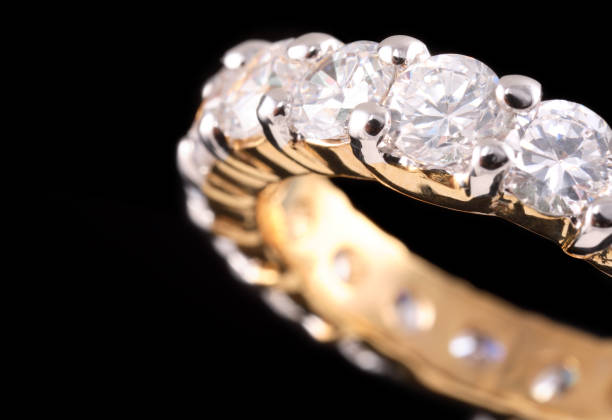
Gold jewelry. Gold jewelry on a black background. Gold jewelry stock pictures, royalty-free photos & images

How to Choose the Right Rings for Every Occasion

Selecting the perfect ring can feel overwhelming with so many options available, but understanding the key considerations for different occasions can make the process much easier. Whether you’re shopping for a personal accessory, an engagement ring, or something suitable for a formal event, this guide will help you make informed decisions.

Understand Ring Types and Materials

  • Casual Rings: Simple bands in sterling silver, gold, or platinum are ideal for everyday wear. These designs are understated yet stylish.
  • Statement Rings: Bold designs with large gemstones or intricate detailing are perfect for parties or events where you want to stand out.
  • Engagement and Wedding Rings: Classic solitaire diamonds, halo settings, or eternity bands are timeless choices that symbolize commitment.
  • Birthstone or Personalized Rings: Great gifts for birthdays or sentimental occasions.

When choosing materials: – Opt for gold (yellow, white, or rose) if you’re looking for elegance and durability. – Consider platinum if you want something hypoallergenic and long-lasting. – For more affordable options, explore rings made from sterling silver, stainless steel, or high-quality gold plating.

Matching Rings to Occasions

Occasion Recommended Ring Style Key Features
Daily Wear Plain bands or minimalist designs Durable metals like gold or silver
Work/Professional Subtle rings with small stones Elegant but not overly flashy
Formal Events Statement rings with unique detailing Eye-catching designs
Romantic Moments Diamond solitaires/halo rings Timeless elegance
Gifting Birthstone/personalized engravings Thoughtful and meaningful

Factors to Consider Before Buying a Ring

  1. Sizing: Ensure you know your (or the recipient’s) accurate ring size. A professional jeweler can measure it precisely.
  2. Lifestyle Compatibility: If the wearer has an active lifestyle, opt for simple yet durable designs that won’t get damaged easily.
  3. Budget: Establish your budget beforehand. Options like vermeil gold or lab-created gemstones can offer luxurious looks at reasonable prices.
  4. Yellow gold complements warmer skin tones.
  5. White metals like platinum and white gold suit cool undertones.
  6. Rose gold works beautifully on neutral skin tones.

Styling Tips for Various Events

  • Layer multiple thin bands on one finger for a modern stacked look in casual settings.
  • Pair a bold cocktail ring with muted outfits during formal dinners to let the jewelry shine as the centerpiece.
  • For romantic evenings, match your engagement ring with delicate bracelets or earrings in similar metals.

Being thoughtful about how you accessorize ensures your rings enhance your overall ensemble while suiting any occasion.

By combining practicality with personal taste when selecting rings, you’ll always find pieces that elevate your look while marking important moments appropriately.

Earrings That Make a Statement: Styles for Every Personality

Earrings are one of the most versatile and expressive forms of jewelry. Whether you’re drawn to bold, eye-catching designs or understated elegance, there’s a pair of earrings out there that perfectly complements your personality and style preferences. Let’s explore some popular earring styles and how they can make a statement.

Stud Earrings: Timeless Simplicity

Studs are a classic choice for those who appreciate sophistication with minimal effort. These small yet impactful earrings sit snugly against your earlobe, emphasizing understated elegance.

  • Best suited for: Everyday wear, professional settings, or minimalist styles.
  • Diamonds
  • Pearls
  • Gold or silver spheres

Hoop Earrings: Bold and Versatile

Hoop earrings are a go-to option for creating a playful yet elegant look. Ranging from small, subtle loops to oversized statement pieces, hoops add flair to any outfit.

  • Thin gold hoops for timeless charm
  • Chunky hoops with modern textures
  • Hoops adorned with gemstones or intricate patterns
  • Best paired with: Casual looks, bohemian outfits, or evening wear when opting for larger hoops.
Size Style Suggestion Ideal Occasion
Small Sleek polished hoops Office or casual attire
Medium Textured metal hoops Dinner dates or semi-formal events
Large Gemstone-encrusted Parties or bold statements

Drop Earrings: Graceful Elegance

Drop earrings offer movement and charm as they hang just below the earlobe. These often feature intricate designs like gemstones, beads, or precious metals.

  • Add elongation to the face
  • Perfect balance between subtlety and glamour
  • Weddings
  • Romantic dinners
  • Formal occasions

Statement Earrings: Make Your Personality Shine

For those who love turning heads, statement earrings are the ultimate accessory. Think oversized shapes, bright colors, and unique materials that showcase your personality.

  • Geometric designs
  • Tassels and fringes
  • Asymmetrical pairs

Statement earrings allow you to experiment with bold fashion choices while highlighting your individuality.

Chandelier Earrings: Glamorous Sophistication

Chandelier earrings are perfect for those looking to make an impact with intricate designs that cascade downward. They’re often adorned with shimmering stones that catch the light beautifully.

  • Best occasions: Weddings Black-tie events Holiday parties

These elegant pieces work wonderfully when paired with updos or off-the-shoulder dresses.

Finding the right pair of earrings can elevate any outfit while providing an opportunity for self-expression. By selecting styles that resonate with your personality—whether through timeless studs or daring statement pieces—you’ll feel confident showcasing your unique sense of style in any setting.

The Ultimate Guide to Bracelets: From Dainty to Bold

Bracelets are one of the most versatile types of jewelry, offering styles that range from subtle and understated to bold and attention-grabbing. Whether you’re accessorizing for a formal occasion, adding flair to a casual outfit, or simply expressing your personality, there’s a bracelet style for everyone. This guide will help you navigate the world of bracelets, from dainty minimalist designs to statement-making pieces.

Types of Bracelets

Type Description
Bangle Bracelets Circular and rigid, often worn stacked or alone. Great for adding structure.
Chain Bracelets Made of interlinked metal loops. Classic and available in varied thicknesses.
Cuff Bracelets Open-ended design that can be slipped onto the wrist. Often bold in appearance.
Tennis Bracelets A symmetrical line of gemstones or diamonds, perfect for elegant occasions.
Charm Bracelets Customizable with meaningful charms or pendants for a personal touch.
Beaded Bracelets Made with beads of various materials like gemstones or wood; casual and trendy.

Choosing the Right Bracelet

When selecting a bracelet, consider factors such as your personal style, wrist size, and occasion.

  • For Everyday Wear: Opt for minimalist chain bracelets or slim bangles that won’t interfere with daily activities.
  • For Special Occasions: Tennis bracelets or gemstone cuffs can add sophistication to formal attire.
  • For Statement Looks: Bold cuff bracelets or layered bangles create an impactful aesthetic.
  • For Sentimental Value: Charm bracelets allow you to add personalized elements over time.

Styling Tips for Different Bracelet Types

  1. Stacking Bangles: Mix metals (gold, silver) or textures (smooth vs hammered) for an eclectic yet stylish look.
  2. Layering Chain Bracelets: Pair delicate chains with varying lengths but stick to one metal tone to avoid overwhelming your look.
  3. Balancing Bold Cuffs: Let the cuff take center stage by keeping other jewelry minimal.
  4. Adding Charms Over Time: Build a story with charm bracelets by adding meaningful pieces for events like anniversaries or travels.

Bracelet Care Tips

  1. Store delicate bracelets in separate pouches to avoid scratches.
  2. Clean metal pieces using appropriate polishing cloths specific to gold, silver, or platinum.
  3. Avoid wearing gemstone-encrusted bracelets during rigorous activities as they may loosen stones.

Why Invest in Quality Bracelets?

  • Longevity: Premium materials resist tarnishing and wear better over time.
  • Versatility: Neutral metals like gold and silver pair effortlessly with any outfit.
  • Value Retention: Precious metals often retain their value better than costume jewelry.

By understanding different bracelet styles and how best to wear them, you’ll master choosing accessories that reflect both your personality and the occasion at hand while ensuring they remain timeless additions to your collection.​

Bundle and Save: Creating Stunning Jewelry Sets Without Breaking the Bank

Building a jewelry collection that looks luxurious doesn’t have to cost a fortune. By carefully selecting complementary pieces and taking advantage of smart shopping strategies, you can create stunning jewelry sets without overspending. Here’s how you can bundle jewelry pieces and maximize both style and savings.

Benefits of Bundling Jewelry

Purchasing jewelry in sets or bundles offers several advantages over buying individual pieces: – Cost Savings: Many retailers offer discounts when you buy multiple pieces as a set. – Coordinated Look: Bundles often include matching designs, ensuring your accessories work seamlessly together. – Time Efficiency: Save time searching for individual matching items by purchasing pre-curated sets.

Gold jewelry diamond rings show in luxury retail store display showcase Gold jewelry diamond rings show in luxury retail store display showcase Gold jewelry stock pictures, royalty-free photos & images

Mix-and-Match Your Own Sets

If bundled deals aren’t available, consider creating your own coordinated set by mixing and matching pieces. Here’s how: 1. Stick to a Theme or Metal: Choose a single type of metal (e.g., gold, silver, rose gold) to create a cohesive look. 2. Use Similar Design Elements: Look for shared motifs like floral patterns, geometric shapes, or gemstones of the same color. 3. Balance Bold with Subtle: Pair standout statement pieces (like chandelier earrings) with simpler designs (such as dainty necklaces).

Smart Shopping Tips for Affordable Bundles

To stay on budget while building your jewelry collection, keep these tips in mind: – Shop Seasonal Promotions: Stores often discount bundles during holidays or special events. – Look for Multi-Piece Deals: Some retailers sell curated sets at reduced prices compared to buying each piece individually. – Buy from Independent Artisans: Local jewelers or online marketplaces like Etsy may offer unique sets at competitive prices. – Sign Up for Loyalty Programs: Many brands provide exclusive discounts and early access to sales for members.

Example Jewelry Set Ideas

Jewelry Style Suggested Pieces Budget-Friendly Tips
Classic Minimalist Simple gold chain + stud earrings + bangle Opt for plated or vermeil finishes
Glamorous Evening Look Statement necklace + drop earrings Focus on cubic zirconia instead of diamonds
Boho Chic Layered necklaces + hoop earrings Shop handmade artisanal collections
Everyday Casual Pendant necklace + charm bracelet Explore fast-fashion jewelry brands

Care Tips for Jewelry Sets

To make the most out of your investment, follow these maintenance guidelines: – Store pieces separately to avoid tangling or scratches. – Clean regularly with appropriate solutions based on the material (gold, silver, etc.). – Avoid exposing accessories to harsh chemicals like perfumes or household cleaners.

By planning wisely and taking advantage of bundling opportunities, you can elevate your style without overspending. A well-curated jewelry set not only enhances any outfit but also reflects your personal taste—all while staying within budget. Embrace creativity as you mix and match affordable options that suit both your style and wallet.


Read MoreRead More

Types of Gold Jewelry: Understanding Gold Plated, Gold Vermeil, Gold Filled, and Solid GoldTypes of Gold Jewelry: Understanding Gold Plated, Gold Vermeil, Gold Filled, and Solid Gold

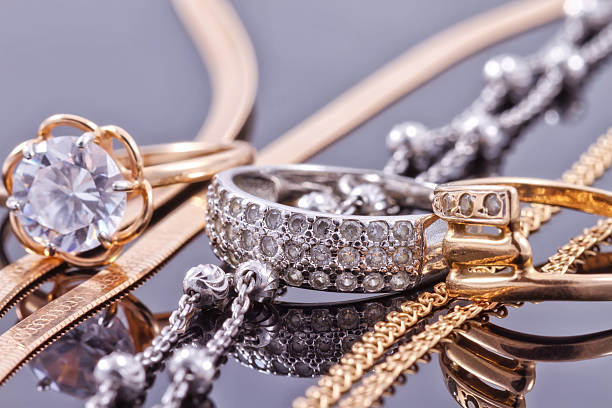
Gold, silver rings and chains Gold, silver rings and chains of different styles are lying together on the reflecting surface Gold jewelry stock pictures, royalty-free photos & images

Gold jewelry has been cherished for centuries as a symbol of luxury, beauty, and durability. However, the various types of gold jewelry can sometimes be confusing for buyers. To help you make informed decisions about your purchase, it’s important to understand the key differences between gold plated, gold vermeil, gold filled, and solid gold jewelry.

1.Gold Plated Jewelry

Gold plated jewelry is an affordable option for those who love the look of gold without committing to the cost of solid gold pieces.

  • Composition: A base metal like brass or copper is coated with a very thin layer of gold (usually less than 0. 5 microns thick).
  • Budget-friendly.
  • Offers the appearance of high-end gold jewelry.
  • The thin layer of gold wears off over time with regular use.
  • May tarnish or discolor when exposed to moisture or chemicals.

Who It’s For:Ideal for trend-followers or those experimenting with styles before investing in more expensive options.

2.Gold Vermeil

Gold vermeil offers a step up from standard gold plating in terms of quality and durability.

  • Composition: A sterling silver base is coated with a thicker layer of gold (at least 2. 5 microns thick). The coating must be at least 10K purity in order to qualify as vermeil.
  • Hypoallergenic due to its sterling silver base.
  • Thicker coating makes it more durable than traditional plating.
  • While more durable than regular plating, it can still wear off over time.

Who It’s For:Great for individuals who want higher-quality pieces without the price tag of solid gold.

3.Gold Filled Jewelry

Gold filled jewelry strikes an excellent balance between quality and affordability.

  • Composition: A thick layer of solid gold (at least 5% by weight) is mechanically bonded to a core metal such as brass or copper.
  • Long-lasting due to the substantial amount of real gold used.
  • Does not tarnish easily if cared for properly.
  • More affordable than solid gold yet looks nearly identical.
  • Slightly more expensive than plated or vermeil options.
Feature Gold Filled Gold Plated
Durability High Low
Thickness Thick Layer Thin Layer
Base Material Brass/Copper Brass/Copper

Who It’s For:Perfect for everyday wearers seeking durability while still enjoying the look of fine jewelry.

4.Solid Gold Jewelry

Solid gold represents the pinnacle of quality and luxury in jewelry.

  • Composition: Made entirely from an alloy that contains a certain percentage of pure gold mixed with other metals (such as copper or nickel) for strength.
    • 24K: Purest form but very soft and prone to scratches.
    • 18K: Contains about 75% pure gold; offers excellent balance between durability and luster.
    • 14K: Contains about 58% pure gold; highly durable and popular for everyday use.
  • Timeless investment piece that holds value over time.
  • Resistant to tarnishing since it contains no base metal core.
  • Hypoallergenic (higher karats especially).
  • Significantly more expensive than other options due to high purity levels.
Purity Percentage Gold Durability Popular Uses
24K ~99.9% Soft High-end luxury items
18K ~75% Moderate Fine jewelry (rings/bracelets)
14K ~58% High Everyday wear

Who It’s For:Best suited for those seeking heirloom-quality pieces or long-term investments.

How to Choose the Right Type

  1. Looking for fashion-forward designs on a budget?gold platedoptions.
  2. Want something hypoallergenic yet affordable?gold vermeil.
  3. Need long-lasting everyday pieces?gold filled.
  4. Ready to invest in timeless elegance?solid gold.

Understanding these distinctions helps ensure you select pieces that match your expectations while fitting within your budgetary needs.

Jewelry Store vs Pawn Shop: Where Should You Buy Rose Gold Jewelry?

Rose gold jewelry has become an increasingly popular choice among jewelry enthusiasts due to its warm, romantic hue and timeless appeal. Below, we’ll explore the key aspects of rose gold jewelry, including its composition, benefits, care tips, and styling recommendations.

What Is Rose Gold?

Rose gold is a gold alloy created by blending pure gold with copper and sometimes a small amount of silver. The addition of copper gives rose gold its signature pinkish-red hue.

Composition Common Ratio Characteristics
18K Rose Gold 75% Gold + 25% Copper/Silver Rich pink hue with a slight yellow undertone
14K Rose Gold 58.3% Gold + 41.7% Copper/Silver Subtle reddish-pink tone; durable
10K Rose Gold 41.7% Gold + 58.3% Copper/Silver Deeper rosy color; highly affordable

Benefits of Choosing Rose Gold Jewelry

  1. Timeless Elegance: Its soft pink tones exude sophistication and romance, making it suitable for both modern and vintage-inspired designs.
  2. Durability: The copper content in rose gold enhances its strength compared to yellow or white gold.
  3. Hypoallergenic Options: While not entirely hypoallergenic due to the presence of alloys like copper, some variations (e. g. , higher karat options) may work for sensitive skin.
  4. Versatility: Pairs well with other metals such as silver or white gold, as well as gemstones like diamonds, morganite, or sapphires.

Caring for Your Rose Gold Jewelry

  • Regular Cleaning: Use a soft cloth or mild soap with warm water to gently clean your jewelry.
  • Avoid Harsh Chemicals: Keep your items away from chlorine-based cleaners or acidic solutions that might tarnish the metal.
  • Proper Storage: Store in a separate compartment or pouch to avoid scratches from harder materials like diamonds.
  • Professional Checkups: For rings or frequently worn items, have them inspected annually by a jeweler to ensure prongs are secure.

Styling Tips for Rose Gold Jewelry

  • Pair simple rose gold earrings or a delicate pendant necklace with casual outfits for understated elegance.
  • Stack thin rose gold bands with other metals for a trendy mixed-metal look.
  • Opt for ornate designs featuring diamonds or pearls set in rose gold for weddings or evening events.
  • Wear statement pieces like chunky cuffs or chandelier earrings in this metal tone.
  • Complement warm autumn tones (e. g. , burgundy, olive green) with rose gold accents.
  • Brighten summer whites and pastels using light-hued gemstone settings in rose gold.

Why Choose Rose Gold Over Other Metals?

Metal Type Appearance Pros Cons
Yellow Gold Classic golden tone Traditional & timeless Softer than other alloys
White Gold Silvery-white finish Contemporary appeal Requires rhodium plating upkeep
Rose Gold Pinkish-red warmth Unique & romantic aesthetic May not suit all skin tones

Whether you’re looking to invest in an heirloom piece or update your everyday collection, rose gold offers an extraordinary blend of beauty and practicality unmatched by many alternatives available today.

Everything You Need to Know About Rose Gold Jewelry

Rose gold jewelry has become increasingly popular in recent years, offering a unique alternative to traditional yellow or white gold. Its warm, pinkish hue complements various skin tones and adds a touch of sophistication to any outfit. Here’s everything you need to know about rose gold jewelry, from its composition to its care.

Composition of Rose Gold

Unlike pure gold, which is too soft for practical use in jewelry, rose gold is an alloy. This means it’s made by mixing pure gold with other metals to enhance its durability and achieve its signature color.

Karat Gold Percentage Alloy Metals (Copper & Silver) Characteristics
14K 58.3% 41.7% Durable and affordable
18K 75% 25% Richer color and more luxurious
22K 91.7% 8.3% Softer but with a vibrant hue

The copper content is what gives rose gold its distinctive reddish-pink tone, while silver balances the color for a softer finish.

Benefits of Choosing Rose Gold Jewelry

  • Versatility: Its warm tone pairs well with different gemstones, such as diamonds, morganite, or pink sapphires.
  • Durability: Due to the presence of copper in the alloy, rose gold is generally more durable than yellow or white gold.
  • Unique Aesthetic: The romantic hue of rose gold offers a vintage charm while remaining modern.
  • Unisex Appeal: Rose gold works beautifully for men’s and women’s jewelry alike.

How to Care for Rose Gold Jewelry

Proper maintenance ensures that your rose gold pieces retain their beauty over time.

  1. Clean Regularly: Use warm water mixed with mild soap and a soft cloth or brush to gently clean your jewelry.
  2. Avoid Harsh Chemicals: Keep rose gold away from cleaning agents like bleach or chlorine that can tarnish the metal.
  3. Store Correctly: Store your pieces in separate compartments or soft pouches to prevent scratches.
  4. Polish Periodically: Visit your jeweler occasionally for professional cleaning and polishing.

Popular Styles of Rose Gold Jewelry

  • Rings:
    • Eternity bands with pavé diamonds
    • Engagement rings featuring morganite stones
  • Necklaces:
    • Minimalist pendants
    • Layered chains adorned with charms
  • Bracelets:
    • Bangles with intricate filigree designs
    • Delicate chain bracelets paired with gemstones
  • Earrings:
    • Studs set with pearls or diamonds
    • Drop earrings featuring mixed metals

Why Choose Rose Gold?

Rose gold is not just about aesthetics; it also holds symbolic meaning for many buyers due to its association with love and romance. Its durability makes it perfect for heirloom pieces that can be passed down through generations.

By understanding the nuances of rose gold jewelry—from its composition to care—you can confidently invest in this stylish yet timeless trend that seamlessly combines practicality with elegance.

Woman a lot of jewelry on herself A beautiful young woman with fantastic make-up advertises jewelry, she is wearing a beautiful set of jewelry. Gold jewelry stock pictures, royalty-free photos & images

How Jewelry Buying and Selling Is Influenced by Solid Gold Jewelry

Solid gold jewelry has long been a symbol of timeless elegance, luxury, and durability. Unlike other types of gold jewelry that rely on coatings or layers of gold, solid gold is composed entirely of gold alloy throughout its structure. This inherent quality makes it one of the most sought-after options for those who value authenticity and longevity in their jewelry collection. Here’s a closer look at what solid gold jewelry is and why it continues to stand out among other alternatives.

Defining Solid Gold Jewelry

Solid gold does not mean pure 24k gold, as pure gold is too soft for wear and prone to scratching or bending. Instead, solid gold typically refers to an alloy where pure gold is mixed with other metals like silver, copper, or zinc to improve its strength and durability.

Karat Gold Content Properties
24k 99.9% Softest, prone to damage; rarely used for everyday wear
22k 91.6% More durable than 24k but still relatively soft
18k 75% Ideal balance between durability and richness in color
14k 58.3% Stronger option suitable for daily wear
10k 41.7% Most durable but less vibrant in color

The term “solid” emphasizes that the piece is not merely coated with a layer of gold but consists of this high-quality alloy throughout.

Why Solid Gold Jewelry Stands Out

Durability

Compared to plated or filled alternatives, solid gold does not wear away over time since it lacks an external coating that could chip or fade. With proper care, it can last generations without losing its luster.

Hypoallergenic Properties

For individuals with sensitive skin or metal allergies, solid gold—especially higher karats like 18k—provides a safer option as it contains fewer base metals known to cause irritation.

Investment Value

Solid gold holds intrinsic monetary worth due to its high precious metal content. Unlike plated pieces that depreciate over time, solid gold retains and often appreciates in value depending on market conditions.

Timeless Appeal

The rich hue and authenticity of solid gold make it an enduring classic suited for both modern styles and heirloom designs.

Comparing Solid Gold with Other Gold Types

Type Composition Durability Cost
Solid Gold Entirely made from a karat-specific alloy High Premium price
Gold Plated Thin layer of real gold over base metal Low (wears off) Affordable
Gold Vermeil Thick plating over sterling silver Moderate (depends on thickness) Moderate
Low Moderate (depends)

Finding the Perfect Hoop Earrings at Jewelry Stores for Fit and Style

Choosing the right hoop earrings can elevate your style, but understanding how to measure them correctly ensures both comfort and aesthetic appeal. Here’s a detailed guide on measuring hoop earrings to help you find the perfect fit and complement your unique style.

Why Proper Measurement Matters

When selecting hoop earrings, size plays a significant role in determining how they look on you and how comfortable they are to wear. Ill-fitting hoops can be heavy, uncomfortable, or proportionally unbalanced for your face or outfit. By knowing how to measure them properly, you can make informed decisions that align with your personal preferences.

Key Measurements to Consider

  1. Diameter: The diameter measures the size of the hoops from edge to edge through the center of the circle. It is typically measured in millimeters (mm) or inches.
  2. Small hoops: 10-20 mm (subtle and professional)
  3. Medium hoops: 25-40 mm (versatile for everyday wear)
  4. Large hoops: 50-70+ mm (bold and fashion-forward)
  5. Thickness or Gauge: This refers to the width of the earring’s band or wire.
  6. Thin bands (1-2 mm): Delicate and lightweight
  7. Thick bands (3+ mm): More noticeable and statement-like
  8. Drop Length: For designs that extend beyond standard circles, this measures how far the hoops dangle below your earlobe.

Step-by-Step Guide for Measuring Hoop Earrings

  1. Use a soft tape measure or ruler to assess your face length and jawline width.
  2. Smaller faces may benefit from smaller diameter hoops, while larger faces often suit medium or large-sized hoops.
  3. Use an Existing Pair as a Reference If you already own a pair of comfortable hoop earrings:
  4. Lay them flat on a ruler.
  5. Measure across their widest point for diameter accuracy.
  6. Consider Ear Lobe ShapeSome earlobes are larger or tighter than others. Make sure that both thickness and diameter are proportionate to your ear lobe size.
  7. Test Drop Length with String For elongated styles:
  8. Cut a piece of string matching different drop lengths.
  9. Hold it up near your earlobe for a visualization before purchase.
  10. Account for WeightLarger diameters often correlate with heavier weights that may strain delicate piercings over time.

Tips for Choosing Hoop Styles by Occasion

  • Everyday Wear: Opt for small-to-medium sizes in simple metals like gold or sterling silver.
  • Formal Events: Choose oversized hoops with embellishments such as gemstones or filigree details.
  • Athletic Activities: Stick with snug, small huggie-style hoops that won’t move excessively during activity.
Diameter Category Measurement Range Ideal For
Small Hoops 10–20 mm Subtle looks; professional environments
Medium Hoops 25–40 mm Daily wear; versatile styling
Large Hoops 50–70+ mm Statement pieces; bold fashion statements

Final Thoughts on Hoop Earrings

By understanding measurements such as diameter, thickness, and drop length alongside personal style preferences, you’ll find it easier to select hoop earrings tailored specifically to your needs—whether you’re aiming for sophistication at work or glamour at an evening event. Always prioritize comfort alongside appearance when making your choice.

FAQ on Gold Buying and Selling: Facts Every Buyer Should Know

However, with so many different types of silver jewelry available, it’s easy to feel overwhelmed as a buyer. Below are frequently asked questions about sterling silver jewelry that will help you make informed purchase decisions.

  • Durability:The addition of copper makes sterling silver harder and more suitable for everyday wear.

Is Sterling Silver Prone to Tarnishing?

Tarnishing is a natural process where the surface of the metal reacts with sulfur compounds in the air, forming a dark layer.

  • Store your sterling silver pieces in airtight containers or anti-tarnish pouches.
  • Avoid exposing them to chemicals such as perfumes, lotions, or cleaning agents.
  • Remove jewelry before swimming or showering.

How Can I Clean My Sterling Silver Jewelry?

Proper maintenance can keep your sterling silver looking polished and new.

  1. Polishing Cloths:Use a soft microfiber or specialized polishing cloth designed for sterling silver.
  2. Mix warm water with a small amount of mild dish soap.
  3. Soak the jewelry for about 10 minutes.
  4. Gently scrub with a soft-bristle toothbrush and rinse thoroughly.
  5. Create a paste using baking soda and water.
  6. Rub gently onto the tarnished areas using your fingers or cloth.
  7. Rinse well and dry immediately.

Is All Sterling Silver Hypoallergenic?

However, individuals with extreme sensitivity should confirm the alloy composition before purchase.

  • Look for higher-quality sterling marked “nickel-free.
  • Opt for coatings like rhodium plating that provide additional protection against irritation.

How Do I Identify Authentic Sterling Silver Jewelry?

Authentication Method Description
Hallmark Check Look for “925,” “.925,” or “sterling” stamped somewhere on the jewelry piece (e.g., clasp).
Magnet Test Genuine sterling is non-magnetic; if it sticks to a magnet, it’s likely not real sterling.
Acid Test Jewelers may use nitric acid to test whether the material contains authentic precious metals.
Weight Real sterling tends to be heavier compared to lightweight knockoffs made from cheaper metals.

Why Is Sterling Silver More Affordable Than Other Precious Metals?

  • Abundance: Silver is more abundant than gold or platinum in nature.
  • Versatility: It pairs well with various gemstones and settings without driving up costs significantly.

This makes it an attractive option for buyers who want high-quality pieces without straining their budgets.

Final Thoughts on Buying Sterling Silver

When investing in sterling silver jewelry, understanding its properties and care requirements ensures you’ll enjoy your pieces for years to come. Whether you’re seeking timeless designs or statement accessories, this versatile metal strikes an ideal balance between beauty and affordability while remaining accessible for all occasions.

Is Gold Plated Real Gold?

Gold-plated jewelry is a popular choice for many consumers due to its affordability and aesthetic appeal. However, it’s often misunderstood, leading to questions about its authenticity and quality. Let’s unravel the myths surrounding gold-plated jewelry and provide clarity on what makes it unique.

What Is Gold-Plated Jewelry?

Gold plating is a process where a thin layer of gold is applied over a base metal, such as brass, stainless steel, or copper. This technique creates the appearance of solid gold without the hefty price tag. The thickness of the gold layer can vary depending on the manufacturer and quality standards.

Common Myths About Gold-Plated Jewelry

  1. While gold-plated jewelry isn’t solid gold, the outer layer is real gold. The base material underneath is typically used to make the jewelry more durable and cost-effective.
  2. This myth is false. The plating itself is made from genuine gold, though it may be only a few microns thick.
  3. The quality of gold-plated jewelry depends on factors like craftsmanship, the thickness of the plating, and proper care by the wearer.
  4. With proper maintenance, high-quality gold-plated pieces can retain their beauty for years.

How Does Gold Plating Compare to Other Types of Gold Jewelry?

Type of Jewelry Composition Durability Cost
Solid Gold Pure gold or alloyed with other metals Highly durable Expensive
Gold-Filled Thick layer of gold bonded to base metal Moderately durable Less expensive than solid gold
Vermeil Thick layer of gold over sterling silver Durable Affordable luxury
Gold-Plated Thin layer of real gold over base metal More prone to wear if not cared for properly Most affordable option

How to Care for Gold-Plated Jewelry

  • Avoid exposing your jewelry to chemicals like perfumes, lotions, or cleaning agents.
  • Remove your pieces before swimming or showering as water can cause tarnishing.
  • Store them in a soft cloth bag or separate compartment to prevent scratches.
  • Gently clean with a soft cloth or microfiber towel when needed.

Who Should Consider Gold-Plated Jewelry?

Gold-plated jewelry is ideal for individuals who:
– Enjoy experimenting with different styles without committing to high-cost investment pieces. – Want an elegant look that mimics solid gold at an affordable price. – Prefer lightweight accessories that are easy to wear daily.

Final Thoughts on Authenticity

While it’s not entirely composed of precious metal like solid or even vermeil options, the outer coating of real gold ensures that you’re still wearing authentic golden material. Understanding what goes into making these pieces allows you to appreciate their value while making informed purchasing decisions.

Different elegant bijouterie and plate on white marble table, flat lay Different elegant bijouterie and plate on white marble table, flat lay Gold jewelry stock pictures, royalty-free photos & images

Become a Brand Ambassador: Showcasing Sustainable Elegance Through Exquisite Jewelry

Becoming a brand ambassador for a jewelry company is not only an exciting opportunity but also an impactful way to promote sustainable and ethically crafted accessories. Jewelry brands are increasingly seeking individuals who can embody their values, style, and message while sharing their products with a wider audience. Below, we’ll explore what it means to be a brand ambassador for jewelry, the responsibilities involved, and how you can showcase sustainable elegance.

What Does It Mean to Be a Brand Ambassador?

As a brand ambassador for a jewelry company, you serve as the face and voice of the brand. Your role goes beyond simply wearing the products; it involves promoting the company’s mission, values, and craftsmanship. Many companies today emphasize sustainability in their designs by using recycled materials or ethically sourced gemstones. This provides ambassadors with an opportunity to raise awareness about sustainable fashion while showcasing exquisite designs.

Why Sustainability Matters in Jewelry

Sustainability is becoming a key focus in modern jewelry-making due to environmental concerns surrounding mining practices and waste generation in manufacturing processes. As a brand ambassador for sustainable jewelry, you help educate consumers on why eco-friendly practices matter.

  • Recycled Materials:Many companies now use recycled metals such as gold or silver to reduce environmental impact.
  • Ethically Sourced Gemstones:Brands often work with suppliers certified to offer conflict-free diamonds or responsibly mined gemstones.
  • Eco-Friendly Packaging:Sustainable brands prioritize biodegradable or reusable packaging over plastic options.

Sharing these commitments with your audience can deepen their appreciation of the products while fostering trust in the company’s practices.

Key Responsibilities of Jewelry Brand Ambassadors

  1. Content Creation:Create visually appealing content featuring pieces from the brand’s collection through photoshoots or videos that highlight styling tips.
  2. Social Media Promotion:Actively share posts on platforms such as Instagram or TikTok to reach your audience organically.
  3. Educating Followers:Discuss topics like sustainability efforts behind the products or offer insights into unique design elements.
  4. Engagement:Engage with your followers by answering questions about featured pieces and encouraging them to connect with the brand.
  5. Event Representation:Attend trade shows or promotional events where you represent and speak on behalf of the company.

Tips for Showcasing Sustainable Elegance

  • Emphasize Quality Over Quantity: Showcase timeless designs that encourage mindful consumption instead of fast-fashion trends.
  • Highlight Versatility: Demonstrate how pieces can easily transition between casual wear and formal occasions.
  • Share Meaningful Stories: Talk about the craftsmanship behind each piece—such as artisanship techniques—or personal anecdotes related to wearing it.
  • Collaborate Creatively: Partner with photographers who align with your aesthetic vision so you produce professional-grade content for campaigns.

Benefits of Becoming a Jewelry Brand Ambassador

Benefit Description
Networking Opportunities Build relationships within fashion/jewelry industries
Product Perks Receive complimentary jewelry items
Development of Personal Branding Strengthen your online presence through collaborations
Advocacy for Ethical Practices Promote positive change within consumer habits

By embracing this role thoughtfully, ambassadors play an integral part in encouraging shoppers toward responsible purchasing choices while enhancing their own visibility within fashion-forward communities.


Read MoreRead More

How Jewelry Buying and Selling Affects Gold Prices and Customer DecisionsHow Jewelry Buying and Selling Affects Gold Prices and Customer Decisions

Boho girl's hands looking feminine with many rings Cropped closeup of a boho girl's hands with many rings on her fingers, in gold and silver with dark blue stones Gold jewelry stock pictures, royalty-free photos & images

Gold has long been regarded as a symbol of wealth, beauty, and timelessness. However, there is more to the value of gold jewelry than meets the eye. When purchasing gold jewelry, jewelers consider various factors that contribute to the price they pay for acquiring these pieces. Understanding these factors can help customers make informed decisions when buying or selling gold jewelry.

Factors That Influence Jewelers’ Costs

  • Gold Purity (Karat Weight):
    Gold purity is measured in karats, with 24-karat being pure gold. The higher the karat value, the more expensive the piece. Jewelers assess the karat weight carefully when determining how much to pay for gold jewelry.
  • Current Market Price of Gold:
    The price of gold fluctuates daily based on global supply and demand dynamics. Jewelers monitor these market trends closely since they directly impact how much they need to pay for raw or finished gold items.
  • Craftsmanship:
    High-quality craftsmanship significantly increases the value of a piece. Intricate designs or custom-made items require more labor and expertise, which drives up costs.
  • Brand Value:
    If a piece comes from a renowned designer or brand, it commands higher prices due to its prestige and perceived exclusivity.
  • Additional Materials Used:
    Many pieces incorporate gemstones such as diamonds or other metals like platinum into their designs. These additional materials influence how much jewelers are willing to invest in acquiring such pieces.

How This Impacts Customers

  1. Higher Retail Prices:
    To cover their acquisition costs and ensure profitability, jewelers pass on expenses to customers in the form of higher retail prices. This is especially true for pieces with intricate designs or high levels of purity.
  2. Trade-In Offers:
    When customers sell their old gold jewelry, they may receive offers influenced by both the current market conditions and the jeweler’s anticipated margin requirements.
  3. Customization Charges:
    Custom-designed jewelry often includes additional fees that reflect both material acquisition costs and labor expenses incurred by skilled artisans.

Price Comparisons: New vs Resale Jewelry

Factor New Gold Jewelry Resale/Trade-In Jewelry
Price Determinants Raw material + Craftsmanship Market conditions + Wear & tear
Customer Pricing Higher price Typically lower than purchase
Jewelers’ Premium Significant Moderate

Tips for Customers Shopping at Jewelry Stores

  • Research current market prices for gold before making transactions.
  • Compare offers from multiple jewelers when selling your items.
  • Look for reputable retailers who provide transparent details about purity and pricing.
  • Consider timing your purchase during price dips in the global market if possible.

By understanding why jewelers invest heavily in acquiring fine pieces and how it impacts customer pricing, you can better navigate decisions regarding your own collection while maximizing its value over time.

The Intrinsic Value of Gold Buying and Selling and Its Timeless Appeal in Jewelry

Gold has long been regarded as one of the most valuable and sought-after materials for crafting jewelry. Its enduring appeal is rooted in its unique physical properties, cultural significance, and the emotional connections it fosters. Understanding the intrinsic value and timeless allure of gold can help both jewelers and customers appreciate its worth beyond monetary considerations.

The Unique Properties of Gold

  • Durability: Gold is resistant to tarnish, corrosion, and rust, which ensures it retains its appearance over time.
  • Malleability: Gold is highly malleable, allowing jewelers to mold it into intricate designs without compromising its structure.
  • Hypoallergenic Nature: Pure gold (24 karats) is hypoallergenic, making it suitable for individuals with sensitive skin.

These properties not only enhance gold’s aesthetic appeal but also contribute to its value as a lasting investment.

Cultural Significance of Gold

  • Symbol of Wealth: In ancient civilizations such as Egypt, Rome, and India, gold was used to signify royalty and prosperity.
  • Religious Ceremonies: From Hindu weddings to Christian religious artifacts, gold has been integral to various spiritual traditions.
  • Gift for Milestones: Gold jewelry remains a popular gift option for celebrating life milestones such as weddings, anniversaries, or special achievements.

Its sustained relevance throughout history underscores why gold continues to hold a prominent place in the jewelry industry.

Timeless Appeal Across Style Trends

Aspect Why It Matters
Versatility Available in yellow, white, and rose variations to suit different tastes.
Complements Any Style Pairs seamlessly with gemstones or stands out beautifully on its own.
Investment Potential Offers both aesthetic value and resale opportunities due to consistent demand globally.

Gold transcends fleeting trends by adapting to evolving design aesthetics while retaining its inherent elegance.

Emotional Connection to Gold Jewelry

  • Heirlooms passed down through generations symbolize family legacy.
  • Custom-designed pieces commemorate personal stories or significant life moments.
  • Wedding rings made from gold represent enduring love due to their timeless quality.

This emotional resonance enhances the joy of owning or gifting gold jewelry.

Why Customers Continue to Choose Gold

  1. Long-Term Value: Customers recognize that investing in high-quality gold jewelry provides lasting worth.
  2. Uniqueness: With endless design possibilities available across styles ranging from traditional elegance to modern minimalism.
  3. Sustainability Considerations: Recycled or responsibly sourced options now available align with ethical consumer values.

By understanding these factors driving customer preferences toward golden adornments today ensures appreciation remains stronger tomorrow—making it more than just another purchase choice but rather meaningful expression always appreciated everywhere regardless changing times evolve around us .

Exploring the Versatility of Gold in Innovative Jewelry Design

Gold has long been celebrated for its timeless value and universal appeal. However, what truly sets it apart is its versatility, making it a favored material for countless innovative jewelry designs. From classic pieces to contemporary creations, gold’s malleable nature allows jewelers to craft unique designs that cater to a wide array of preferences and styles.

Unique Characteristics That Enhance Design Flexibility

  • Malleability: Gold can be hammered into thin sheets or drawn into fine wires without breaking, enabling intricate detailing.
  • Durability: While pure gold (24k) is soft, alloys mixed with metals like silver, copper, or platinum increase its strength while maintaining its sheen.
  • Color Variations: Gold can be alloyed to create a spectrum of colors:
  • Yellow Gold: A classic choice often blended with silver and copper.
  • White Gold: Made by adding metals like palladium or nickel for a sleek, contemporary look.
  • Rose Gold: Contains higher copper content for a warm, pinkish hue.
  • Green Gold: A subtle green tint achieved by blending gold with silver.

Trends in Innovative Gold Jewelry Designs

  1. Mixed-Metal Pieces
    Combining gold with other metals (like platinum or titanium) adds contrast and dimension while catering to modern aesthetics.
  2. Minimalist Designs
    Sleek and understated gold necklaces, rings, and bracelets have become popular among individuals seeking timeless yet subtle accessories.
  3. Organic Textures
    Hammered finishes or raw textures inspired by nature are gaining traction as customers gravitate towards designs that feel unique and handcrafted.
  4. Geometric Patterns
    Bold shapes such as triangles, hexagons, or asymmetric patterns are widely featured in contemporary collections.
  5. Personalized Jewelry
    Customizable options using laser engraving on gold pendants or bracelets have gained popularity, offering sentimental value alongside aesthetic beauty.

Comparison Table: Types of Gold Used in Jewelry Design

Type of Gold Description Common Use Cases Price Range
Yellow Gold Traditional gold color; alloyed with silver & copper Bridal sets; vintage-inspired jewelry $$ – $$$
White Gold Silvery-white appearance created by rhodium plating; durable Modern rings & necklaces $$ – $$$
Rose Gold Pinkish hue from higher copper content; romantic appearance Fashion-forward earrings or bracelets $$
Green Gold Faint green tone from silver alloying; rare design element Custom pieces $$$

Note: Prices may vary based on karat (purity), craftsmanship involved, and region-specific market conditions.

Why Choose Gold for Modern Jewelry?

  • Timeless Investment: Beyond its aesthetic appeal, gold retains intrinsic value over time.
  • Hypoallergenic Properties: Pure forms of gold are less likely to cause skin reactions compared to other materials.
  • Sustainability Options: Many jewelers now use recycled gold for eco-conscious consumers seeking sustainable luxury pieces.

Gold’s versatility continues to inspire innovation across the jewelry industry while meeting the evolving demands of consumers who appreciate both heritage craftsmanship and contemporary artistry alike. Its ability to blend tradition with modernity ensures that it remains an enduring cornerstone in jewelry design worldwide.

Craft jewelery making. Craft jewelery making. Jeweller fixes sapphires on the ring. Gold jewelry stock pictures, royalty-free photos & images

How to Get the Best Price When Selling Your Gold Jewelry

Selling gold jewelry can be an effective way to generate quick cash or declutter your collection. However, maximizing the value of your jewelry requires careful planning and informed decision-making. Below are actionable tips and insights to help you get the best price when selling your gold jewelry.

Understand the Value of Your Gold Jewelry

  • Purity (Karat): Gold is measured in karats, ranging from 10K to 24K. Higher karat means higher purity and value.
  • Weight: The weight of your gold is typically measured in grams or troy ounces. Heavier pieces carry more value since they contain more gold.
  • Market Price: Gold prices fluctuate based on global market conditions. Research the current spot price of gold as a baseline for negotiations.
  • Additional Features: If your jewelry contains gemstones, intricate designs, or is made by a notable designer, it might hold added value beyond its gold content.

Research Buyers

Buyer Type Pros Cons
Local Jewelers Convenient and trustworthy May offer slightly lower prices
Pawn Shops Quick transactions Typically lower payouts
Online Gold Buyers Competitive rates Risk of scams; shipping required
Private Buyers Potentially higher offers Requires time for negotiation

Steps to Maximize Value

  1. Appraise Your Jewelry: Have a professional appraise high-value or antique pieces to understand their worth beyond their metal content.
  2. Clean Your Jewelry: Presenting clean and polished items can increase their perceived value during evaluation.
  3. Shop Around: Visit multiple buyers (both local and online) to compare offers.
  4. Negotiate Wisely: Be prepared to negotiate using knowledge about purity, weight, and current market prices as leverage.
  5. Sell at the Right Time: Monitor market trends and aim to sell when gold prices are high.

Red Flags When Selling Gold Jewelry

  • Buyers who don’t weigh your jewelry in front of you
  • Businesses that pressure you into making a quick decision
  • Unclear pricing or fees deducted from payouts
  • Lack of proper credentials or licensing

Tips for Selling Unique Pieces

  • Consider consignment with upscale jewelers who cater to luxury buyers.
  • Explore auction houses specializing in fine jewelry.

Proper due diligence ensures that you not only secure maximum financial returns but also maintain peace of mind throughout the process.

Jewelry Store vs Pawn Shop: The Best Place to Sell Your Gold Jewelry for Maximum Value

Selling gold jewelry can be an intimidating process if you’re unsure of how to navigate it. However, with some knowledge and preparation, you can ensure a safe and seamless experience while maximizing your return. Below, we’ll walk through key steps, tips, and considerations to help you sell your gold jewelry safely and profitably.

Understand the Value of Your Gold Jewelry

Before selling your gold jewelry, it’s important to understand its worth. Several factors impact the value:
– Gold Purity (Karat): Gold is typically measured in karats (e.g., 10K, 14K, 18K, or 24K). Higher karat values indicate higher gold content.
– Weight: The weight of your piece in grams or ounces directly affects its value since gold is priced per unit weight.
– Market Price of Gold: Keep an eye on the current spot price of gold on financial markets. Prices fluctuate daily based on supply and demand trends.
– Jewelry Design: Intricate designs or branded pieces may hold additional aesthetic or collector’s value beyond just the metal itself.

If possible, take your jewelry to a professional appraiser who can give you a comprehensive estimate based on these factors.

Choose a Reliable Buyer

Finding a trustworthy buyer is crucial for ensuring safety and getting optimal value for your gold jewelry. Consider these options:
1. Local Jewelers: Many jewelers buy secondhand gold directly from customers. They often have transparent weighing processes and competitive rates. 2. Gold Buying Companies: Specialized companies focus entirely on purchasing gold items but research their credibility before proceeding. 3. Pawn Shops: While convenient for quick sales, pawn shops may not offer top dollar due to higher profit margins. 4. Online Platforms: Selling online can sometimes yield higher offers but requires thorough research to avoid scams.

Tips for Ensuring Safety When Selling

To protect yourself during transactions:
– Always check reviews or ratings for buyers before engaging with them. – Ask questions about how they calculate their offers (e.g., karat testing methods).
– Avoid sales involving unclear documentation—get everything in writing. – If selling in person, meet at well-lit public locations or trusted businesses.

Maximize Your Return with These Strategies

To get the most value when selling your gold jewelry:
1. Shop Around: Visit multiple buyers to compare offers before finalizing any sale. 2. Sell During High Market Prices: Timing is key—monitor market trends and consider selling when prices are favorable. 3. Separate Items by Purity Level: Buyers may weigh items together unless you separate them by karat grade beforehand. 4. Understand Fees or Deductions: Some buyers deduct refining costs from your payout; clarify all potential fees upfront.

Factor Impact on Value Pro Tip
Gold Purity (Karat) Higher purity = Higher price Separate items by karat to avoid underpayment
Market Spot Price Fluctuates daily Check rates before visiting potential buyers
Weight Directly proportional Use a digital scale if weighing at home
Buyer Reputation Critical for trust Verify licenses & certifications

Red Flags to Watch Out For

Be cautious of these warning signs when engaging potential buyers:
– Unwillingness to explain how they calculate their offer prices – Pressure tactics urging you to sell immediately – Lack of proper equipment (such as calibrated scales) during evaluations

Selling your gold jewelry doesn’t need to be stressful if approached carefully with preparation and research into reputable options available locally or online.

Sell Your Gold Jewelry the Safe and Easy Way for Maximum Value

Selling gold jewelry can be a daunting task, especially if you are unfamiliar with the process. However, with the right approach and knowledge, you can maximize the value of your pieces while ensuring a safe and stress-free experience. Below, we outline key considerations and steps to help you navigate this process effectively.

Understanding the Value of Your Gold

  • Karat Rating: Pure gold is 24 karats (24K). Jewelry made from 10K, 14K, or 18K contains varying proportions of gold mixed with other metals.
  • Weight: The weight of your item in grams or ounces directly impacts its scrap value.
  • Market Price: Gold prices fluctuate based on global market demand. Check current rates before negotiating.
  • Craftsmanship or Design: Unique or antique pieces may hold additional value beyond their material worth.

Tip: If you’re unsure about your jewelry’s composition, consider visiting a professional appraiser for an evaluation.

Steps to Safely Sell Your Gold Jewelry

  1. Research Potential Buyers
    Investigate local jewelers, pawn shops, online buyers, and gold dealers. Look for reviews or testimonials from previous customers to ensure credibility.
  2. Request Multiple Quotes
    Don’t settle for the first offer. Visit several reputable buyers to compare quotes based on weight and karat value.
  3. Avoid High-Pressure Tactics
    Stay cautious of businesses that pressure you into making quick decisions without giving you time to weigh options.
  4. Understand Fees and Scales
    Check if any transaction fees will apply when selling your items. Also, ensure scales used by dealers are properly calibrated for accuracy.
  5. Obtain Documentation
    Always get a receipt detailing the transaction specifics—weight, purity level measured in karats, and agreed-upon price per gram or ounce.

Choosing Between Local vs Online Buyers

Factor Local Jewelers Online Gold Buyers
Speed Immediate transactions May take several days
Face-to-Face Trust Ability to directly communicate Relies on shipping & online reviews
Convenience Requires physical visits No travel required
Pricing Variability Often negotiable Fixed pricing based on market rates

Consider whether convenience or relationship-building is more important for your needs before deciding which option suits you best.

Red Flags to Watch For

  • Promises that seem too good to be true.
  • Lack of transparency regarding pricing methods.
  • Businesses without proper licensing or certifications.
  • Suspiciously high-pressure sales tactics lacking clear explanation.

With careful preparation and informed decision-making, selling your gold jewelry can be completed both safely and profitably while ensuring peace of mind throughout each step of the way.


Read MoreRead More

Jewelry Stores vs. Pawn Shops: Where to Find Luxury Jewelry for LessJewelry Stores vs. Pawn Shops: Where to Find Luxury Jewelry for Less

Close up view of gold ring with diamonds Macro shot of a diamond eternity/anniversary ring. Gold jewelry stock pictures, royalty-free photos & images

When shopping for jewelry, most people tend to think of traditional, high-end retailers with their gleaming displays and polished customer service. However, pawn shops have become a significant contender in the jewelry market, offering unique opportunities to find luxury pieces at a fraction of the cost. By comparing pawn shop jewelry to traditional retailers, you can better understand how to make informed and cost-effective choices.

Cost Savings Without Compromise

  • Lower Overhead Costs: Pawn shops generally have fewer expenses than retail jewelers.
  • Pre-Owned Nature: Since the items are secondhand, buyers save on depreciation costs.
  • Varied Sourcing: Pawn shops acquire inventory from individuals rather than designing or sourcing new collections.
Jewelry Type Average Retail Price Average Pawn Shop Price
Diamond Engagement Ring (1 carat) $5,000 – $8,000 $2,500 – $4,500
Gold Bracelet (10g) $800 – $1,200 $400 – $600
Luxury Watch $10,000+ $4,000 – $6,000

Unique and One-of-a-Kind Pieces

  • Rare Antique Jewelry: Timeless pieces with intricate craftsmanship.
  • Discontinued Collections: Items that major brands have stopped producing.
  • Custom Designs: Unique stones and settings created by past owners.

These options allow buyers to express individuality while avoiding generic designs often found in retail stores.

Quality Assurance Concerns

  • Certified experts evaluate and verify gemstones and metals.
  • Many pawn shop owners work directly with gemologists or appraisers.
  • Customers can request certifications or independent appraisals.

With these practices in place, shoppers can feel confident they’re receiving high-quality items without paying premium prices.

Flexible Negotiation Opportunities

  1. Research comparable market prices beforehand.
  2. Be polite yet firm when negotiating.
  3. Consider forming relationships with staff if you’re a regular shopper—they may notify you of new arrivals or offer better deals over time.

The Bottom Line: Cost Meets Value

Shopping at a pawn shop is an excellent way to enjoy luxury jewelry without breaking your budget while also exploring unique styles unavailable elsewhere. By comparing pricing strategies between traditional retailers and secondhand sellers like pawn shops—and understanding their quality standards—you might discover that pre-owned luxury offers unmatched value while maintaining elegance and sophistication.

Jewelry Store vs Pawn Shop: How to Recognize Quality and Authenticity

Purchasing jewelry from a pawn shop can offer exceptional value, but it’s essential to know how to recognize quality and authenticity. Understanding the key factors to look for helps ensure you’re getting genuine pieces at attractive prices. Here’s a guide on what to evaluate when shopping for jewelry at a pawn shop.

Key Indicators of Quality in Gold Buying and Selling

  • Materials Used: Look for stamps or hallmarks that indicate the type of metal, such as “14K” or “18K” for gold or “925” for sterling silver. These marks confirm the metal’s purity.
  • Gemstone Clarity and Cut: Inspect gemstones closely. High-quality stones are typically free from visible imperfections and exhibit brilliance. Use a jeweler’s loupe if available.
  • Craftsmanship: Pay attention to details like symmetry, polish, and settings. Well-crafted pieces will have secure settings and smooth finishes with no rough edges.

Checking Authenticity of Pre-Owned Jewelry

  1. Hallmarks and Branding: Authentic pieces often feature hallmarks that specify the material and brand stamps indicating reputable manufacturers.
  2. Certification: Request certificates for diamonds or gemstones if available, such as those issued by GIA (Gemological Institute of America).
  3. Testing the Metal: Some pawn shops conduct acid tests on gold or silver to confirm its authenticity if hallmarks are missing.
  4. Professional Appraisals: Consider having a professional jeweler inspect your potential purchase before making a decision.

Red Flags to Watch Out For

  • Fake or poorly executed logos on branded pieces
  • Missing stones or damaged prongs
  • Tarnish on metals that should not tarnish (e.g., pure gold)
  • Suspiciously low prices that seem too good to be true

Tools You Can Use While Shopping

Tool Purpose
Jeweler’s Loupe Inspect stones and engravings
Portable Magnet Test non-magnetic metals like gold
Digital Scale Verify weight of precious metals

Benefits of Verifying Quality

Ensuring quality isn’t just about avoiding counterfeit items—it also safeguards your investment by confirming that you’re paying fair value for genuine materials and craftsmanship.

By taking time to assess quality and authenticity, you can find remarkable deals at pawn shops without compromising on excellence.

Understanding Jewelry Buying and Selling: Unique Finds at Pawn Shops

Pawn shops are often overlooked when it comes to shopping for jewelry, but they offer a surprising range of unique and one-of-a-kind options. Unlike traditional retailers that showcase mass-produced pieces, pawn shops are treasure troves of distinctive items that often carry history, craftsmanship, and character. Here’s an exploration of what makes the selection and variety at pawn shops stand out.

Why Pawn Shop Jewelry Offers Unique Selections

  1. Diverse Inventory
    Unlike retail stores with standardized collections based on trends or seasonal offerings, pawn shops acquire items from individual sellers. This means their inventory is as diverse as the people who bring their jewelry in. You may find:
  2. Vintage rings from decades past
  3. Antique brooches with intricate designs
  4. Modern designer pieces at reduced prices
  5. Constantly Changing Stock
    One key advantage of shopping at a pawn shop is the ever-evolving inventory. Because items are bought and sold regularly, you’ll likely encounter new collections on each visit.
  6. One-of-a-Kind Pieces
    Many pawn shop jewelry items are unique because they were custom-made or inherited family heirlooms. It’s not uncommon to come across handcrafted settings or rare gemstones you won’t find in a standard retail store.

Types of Jewelry You’ll Find

Category Examples
Rings Engagement rings, wedding bands, cocktail rings
Necklaces Gold chains, pendants with gemstones
Bracelets Cuff bracelets, charm bracelets
Earrings Diamond studs, drop earrings
Watches Luxury brands like Rolex or vintage timepieces

The Appeal of Vintage and Antique Pieces

  • Art Deco engagement rings with geometric patterns
  • Victorian-era lockets made with fine detailing
  • Mid-century modern jewelry crafted from mixed metals

These older pieces often feature craftsmanship techniques that aren’t commonly used today, making them highly desirable for collectors or those seeking something truly special.

Benefits of Shopping for Jewelry at Pawn Shops

  1. Affordable Prices – Pre-owned jewelry is typically priced lower than brand-new equivalents in retail stores.
  2. Eco-Friendly Shopping – Buying secondhand reduces demand for newly mined materials such as gold and diamonds.
  3. Negotiation Opportunities – Many pawn shops are willing to negotiate prices, enabling buyers to secure even better deals.
  4. Access to Rare Finds – Whether it’s discontinued designs or heirlooms that hold sentimental value for someone else’s family history, you might uncover rare treasures during your visit.

Tips for Exploring Pawn Shop Jewelry Collections

  • Visit multiple locations to compare inventory before making your decision.
  • Look for certifications or ask about appraisal documents when considering high-value items like diamond jewelry.
  • Inspect each piece carefully under good lighting to ensure stones are secure and there’s no hidden damage.
  • Consider asking staff about the history behind certain pieces — many have interesting backstories that add sentimental value.

Final Thoughts on Selection Variety

Shopping for jewelry at a pawn shop isn’t just about saving money; it’s about discovering unique pieces that tell stories while offering exceptional quality and value. By exploring what local pawn shops have to offer, you open yourself up to an array of possibilities beyond traditional retail options — all while potentially finding your next cherished accessory at an affordable price point.

Men’s and Women’s Jewelry Options: A Comprehensive Guide to Pawn Shop Selections

Pawn shops are increasingly becoming a go-to destination for individuals seeking both men’s and women’s jewelry options. Whether you’re looking for timeless classics or one-of-a-kind pieces, these establishments can offer a wide variety of selections at more competitive prices than traditional retailers. Below, we explore the pawn shop landscape for men’s and women’s jewelry, highlighting what makes them an excellent choice for buyers.

Men’s Jewelry Options at Pawn Shops

  • Luxury brands such as Rolex, Omega, and TAG Heuer can often be found at significantly reduced prices.
  • Vintage watches with unique craftsmanship appeal to collectors and enthusiasts alike.
  • Everyday timepieces from reputable brands offer style without breaking the bank.
  • Men’s rings often include classic gold bands, signet rings, or styles featuring gemstones like onyx or diamonds.
  • Alternative materials such as titanium or tungsten are also commonly available for those seeking modern aesthetics.
  • Gold chains (ranging from lightweight rope chains to heavier Cuban link designs) remain popular options.
  • Pendants featuring religious symbols or other personal motifs can add a custom touch to any chain.
  • These smaller accessories come in precious metals like sterling silver or gold, offering sophistication for formal wear.

Women’s Jewelry Options at Pawn Shops

  • Diamond studs are common finds with excellent value compared to retail prices.
  • Hoops in gold or silver come in various sizes to match different styles.
  • Vintage earrings with intricate designs are perfect for those who appreciate antique charm.
  • Options range from delicate bangles to chunky bracelets made of gold, silver, or platinum.
  • Tennis bracelets with diamonds offer affordable luxury compared to new ones from high-end stores.
  • You’ll find everything from dainty chains perfect for layering to statement necklaces adorned with semi-precious stones.
  • Pearls—whether natural or cultured—are another common piece sold at competitive rates.
  • Engagement rings featuring diamonds or other gemstones remain highly sought after.
  • Cocktail rings with intricate settings can be found at better value than retail equivalents.

Comparing Men’s vs. Women’s Jewelry: Key Differences

Feature Men’s Jewelry Women’s Jewelry
Design Style Bold, minimalist Intricate, diverse
Common Materials Gold, silver, titanium Gold (yellow/white/rose), platinum
Popular Items Watches, chains Rings (engagement/cocktail), earrings
Pricing Typically less ornate = lower cost Often features gemstones = higher cost

Why Choose Pawn Shops for Both Men’s and Women’s Jewelry?

  1. Affordability: Pre-owned jewelry provides opportunities to own luxury items without paying full retail prices.
  2. Unique Finds: Unlike mass-produced pieces in traditional stores, pawn shops often feature vintage or custom-designed items that stand out.
  3. Sustainability: Purchasing secondhand contributes positively by reducing demand for newly mined materials.
  4. Negotiation Opportunities: Many pawn shops allow price negotiation—a rare advantage compared to fixed retail pricing models.

Whether you’re shopping for yourself or searching for gifts that show thoughtfulness without overspending, pawn shops provide an unmatched mix of affordability and uniqueness when it comes to men’s and women’s jewelry options. A visit may just uncover your next favorite ring, necklace, watch—or even a hidden treasure you didn’t know you were looking for!

Precious metals and gold Purchase and trade-in of second-hand precious metals and gold Gold jewelry stock pictures, royalty-free photos & images

Affordable Luxury: Why Pawn Shop Diamond Rings Are an Excellent Choice

When shopping for diamond rings, most people immediately think of traditional jewelry retailers. However, pawn shops offer an often-overlooked avenue for finding high-quality, luxurious diamond rings at a fraction of the price. Here’s why pawn shop diamond rings are an excellent choice if you’re seeking affordable luxury without compromising on quality or style.

Cost Savings Without Sacrificing Quality

  • No Retail Markup: Traditional jewelers often include hefty markups on their pieces to account for overhead costs like marketing, rent, and branding efforts. Pawn shops, on the other hand, typically price their items based on current market value rather than inflated retail costs.
  • Access to Pre-Owned Luxury: Since pawn shop jewelry is pre-owned, it is priced lower despite often being in excellent condition. Buyers can find stunning diamonds and settings at prices that are much more accessible than retail options.
  • Room for Negotiation: Many pawn shops allow for price negotiation, which means you might be able to secure an even better deal on your dream ring.

Unique and Vintage Designs

If you’re looking for something truly one-of-a-kind, pawn shops are treasure troves of unique and vintage diamond rings that stand out in a sea of modern designs from retail stores.

  • Timeless Styles: You may discover vintage designs such as Edwardian or Art Deco-era rings with intricate details that aren’t commonly found in contemporary collections.
  • Uncommon Settings: From halo settings to east-west orientations or floral motifs, the selection at pawn shops often caters to those looking for distinct styles that reflect personality and individuality.

Quality Assurance Tips

  1. Request Certification: Look for certified diamonds whenever possible or ask if the piece has been evaluated by a reputable gemologist.
  2. Inspect the Setting: Check that the band and prongs are sturdy and free of damage.
  3. Use Jewelers’ Tools On-Site: Many pawn shops provide magnifying tools or loupes so you can inspect stones closely for scratches or flaws.
  4. Ask Questions About Provenance: Don’t hesitate to inquire about where the piece came from or if any repairs have been made.

Comparing Costs with Traditional Retailers

Feature Traditional Jewelry Stores Pawn Shops
Price Higher due to markups Lower; based on resale value
Selection Modern collections Unique/vintage options included
Negotiation Rarely allowed Commonly accepted
Certification Often included but adds cost May or may not include certification

A Sustainable Choice

Beyond saving money and discovering unique styles, buying diamond rings secondhand is also environmentally conscious. Mining diamonds requires significant natural resources and energy expenditure; choosing pre-owned pieces reduces demand for newly mined stones.

By extending the life cycle of existing jewelry pieces through secondhand purchases like those made at pawn shops, buyers contribute positively toward sustainability efforts while enjoying luxurious finds.

Opting for a diamond ring from a pawn shop not only makes financial sense but also opens up opportunities to own distinctive designs while supporting greener practices within the jewelry industry—proving that luxury doesn’t always have to come at Earth-shattering prices.

A Guide to Finding Hidden Jewelry Treasures at Local Pawn Shops

When it comes to buying jewelry, local pawn shops often remain an underappreciated resource. These establishments not only offer incredible value but also provide access to unique and sometimes rare pieces that you won’t find in traditional retail stores. If you’re on the hunt for hidden treasures, pawn shops can be a goldmine—literally and figuratively. Here’s a guide to help you uncover those hidden gems.

Benefits of Shopping for Jewelry at Pawn Shops

  • Affordable Prices: Pawn shop jewelry is typically priced well below retail value, offering significant savings.
  • Unique Pieces: Many pawn shops carry vintage or one-of-a-kind items that are unavailable in mainstream stores.
  • Sustainability: Purchasing secondhand jewelry reduces demand for newly mined materials, making it an eco-friendly option.
  • Negotiation-Friendly: Unlike traditional retailers, most pawn shops allow room for price negotiation.

Tips for Finding Hidden Treasures

  1. Start by identifying reputable pawn shops in your area through online reviews and recommendations from friends or family.
  2. Check if they specialize in fine or luxury jewelry to ensure better-quality inventory.
  3. Have a clear idea of what you want—whether it’s a gold bracelet, diamond engagement ring, or vintage brooch—to stay focused during your visit.
  4. Bring a magnifying glass or jeweler’s loupe to examine details such as engravings, hallmarks, and stone settings.
  5. Look for signs of wear and tear and ask about the item’s history if available.
  6. Many high-value items like diamonds come with certification from organizations like GIA (Gemological Institute of America). Don’t hesitate to request documentation if applicable.
  7. Always ask if the price is negotiable; most shop owners expect some level of haggling.
  8. Base your offer on market research or similar pieces you’ve seen elsewhere.
  9. Inventory changes frequently at pawn shops, so make periodic visits to catch new arrivals.
  10. Build relationships with shop staff—they may even notify you about items that match your preferences.

Common Types of Jewelry Found at Pawn Shops

Type Details Why It’s Worth Considering
Gold Jewelry Includes necklaces, bracelets, rings; often available in various karat levels (10K–24K). Timeless investment with high resale value
Diamond Rings Both solitaire and multi-stone designs; may include certifications like GIA reports. Affordable luxury without retail markup
Vintage Pieces Retro designs from decades past; includes art deco styles or antique brooches Unique aesthetics with historical charm
Luxury Brands Designer pieces from Cartier, Tiffany & Co., Rolex (for watches), etc., can occasionally be found. Prestige without full retail price

Red Flags to Watch Out For

  • Fake Stamps/Markings: Some items might falsely claim authenticity through fake stamps like “925” (sterling silver) or “14K.” Always verify using proper tools.
  • Unethical Sources: Ask questions about how the item was acquired—reputable shops will have clear policies regarding sourcing.
  • Overpriced Items: Familiarize yourself with current market values so you don’t overpay for an item.

Shopping for hidden jewelry treasures at local pawn shops can be an exciting experience filled with surprises and unbeatable deals. By leveraging these tips and remaining vigilant about authenticity and quality checks, you’ll increase your chances of finding a truly special piece—all while saving money along the way.

The Sustainability of Secondhand Luxury: Why Buying Pre-Owned Jewelry Matters

Purchasing pre-owned jewelry is more than a cost-effective alternative; it also serves as a sustainable choice that benefits the environment and promotes ethical consumption. The modern demand for sustainable practices in fashion and luxury goods has brought secondhand jewelry into the spotlight. This approach not only reduces waste but also allows consumers to own unique, high-quality pieces with a rich history.

Environmental Benefits of Choosing Pre-Owned Jewelry

The jewelry industry has a significant environmental footprint, from mining raw materials to energy-intensive manufacturing processes. Opting for secondhand jewelry helps mitigate these impacts.

  • Reduction in Mining Impacts: Mining for gemstones and precious metals disrupts ecosystems, consumes large amounts of energy, and generates waste. By purchasing pre-owned items, consumers reduce the demand for newly mined materials.
  • Energy Conservation: Repurposing existing pieces eliminates the need for excessive energy use involved in refining raw materials and crafting new designs.
  • Lower Carbon Footprint: The resale of pre-owned goods often results in fewer emissions compared to producing new items from scratch.
Aspect New Jewelry Pre-Owned Jewelry
Mining Requirements High None
Energy Consumption Intense Minimal
Waste Generation Significant Minimal (no production)

Ethical Considerations

Beyond environmental concerns, buying secondhand luxury can help address ethical issues commonly associated with the jewelry supply chain.

  • Conflict-Free Sourcing: Pre-owned jewelry avoids contributing to unethical mining practices or conflict zones often associated with “blood diamonds.”
  • Labor Practices: Supporting secondhand markets reduces reliance on exploitative labor conditions tied to mass production.

Economic and Social Advantages

Sustainability aligns naturally with financial savings and social benefits when it comes to buying pre-owned luxury pieces.

  1. Secondhand items are typically sold at a fraction of their original price, enabling buyers to access fine jewelry within their budget.
  2. Many vintage or estate pieces retain or even increase in value over time.
  3. Supporting secondhand markets fosters reuse and recycling, reducing overall demand for new goods.
  4. This contributes to a circular economy where resources are continually repurposed instead of discarded.

Unique Appeal of Pre-Owned Jewelry

  • Vintage craftsmanship that reflects timeless artistry.
  • Rare gemstones or settings that may no longer be produced today.
  • Pieces with rich histories that carry sentimental or heirloom value.

By choosing pre-owned jewelry through reputable sources such as pawn shops or estate sales, buyers can embrace sustainability while enjoying pieces that combine affordability, quality, and individuality. This conscious approach supports both personal style and global responsibility without sacrificing elegance or sophistication.


Read MoreRead More