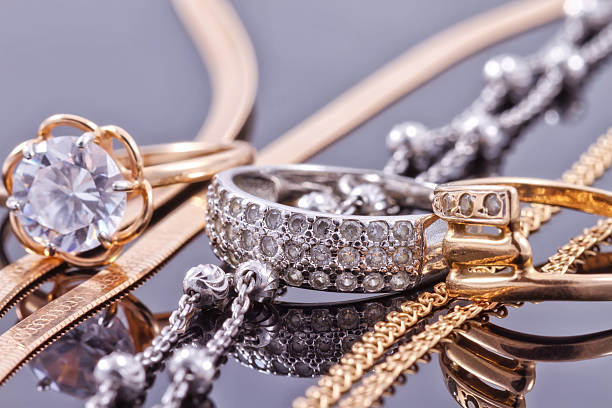
Gold jewelry has been cherished for centuries as a symbol of luxury, beauty, and durability. However, the various types of gold jewelry can sometimes be confusing for buyers. To help you make informed decisions about your purchase, it’s important to understand the key differences between gold plated, gold vermeil, gold filled, and solid gold jewelry.
1.Gold Plated Jewelry
Gold plated jewelry is an affordable option for those who love the look of gold without committing to the cost of solid gold pieces.
- Composition: A base metal like brass or copper is coated with a very thin layer of gold (usually less than 0. 5 microns thick).
- Budget-friendly.
- Offers the appearance of high-end gold jewelry.
- The thin layer of gold wears off over time with regular use.
- May tarnish or discolor when exposed to moisture or chemicals.
Who It’s For:Ideal for trend-followers or those experimenting with styles before investing in more expensive options.
2.Gold Vermeil
Gold vermeil offers a step up from standard gold plating in terms of quality and durability.
- Composition: A sterling silver base is coated with a thicker layer of gold (at least 2. 5 microns thick). The coating must be at least 10K purity in order to qualify as vermeil.
- Hypoallergenic due to its sterling silver base.
- Thicker coating makes it more durable than traditional plating.
- While more durable than regular plating, it can still wear off over time.
Who It’s For:Great for individuals who want higher-quality pieces without the price tag of solid gold.
3.Gold Filled Jewelry
Gold filled jewelry strikes an excellent balance between quality and affordability.
- Composition: A thick layer of solid gold (at least 5% by weight) is mechanically bonded to a core metal such as brass or copper.
- Long-lasting due to the substantial amount of real gold used.
- Does not tarnish easily if cared for properly.
- More affordable than solid gold yet looks nearly identical.
- Slightly more expensive than plated or vermeil options.
| Feature | Gold Filled | Gold Plated |
| Durability | High | Low |
| Thickness | Thick Layer | Thin Layer |
| Base Material | Brass/Copper | Brass/Copper |
Who It’s For:Perfect for everyday wearers seeking durability while still enjoying the look of fine jewelry.
4.Solid Gold Jewelry
Solid gold represents the pinnacle of quality and luxury in jewelry.
- Composition: Made entirely from an alloy that contains a certain percentage of pure gold mixed with other metals (such as copper or nickel) for strength.
- 24K: Purest form but very soft and prone to scratches.
- 18K: Contains about 75% pure gold; offers excellent balance between durability and luster.
- 14K: Contains about 58% pure gold; highly durable and popular for everyday use.
- Timeless investment piece that holds value over time.
- Resistant to tarnishing since it contains no base metal core.
- Hypoallergenic (higher karats especially).
- Significantly more expensive than other options due to high purity levels.
| Purity | Percentage Gold | Durability | Popular Uses |
| 24K | ~99.9% | Soft | High-end luxury items |
| 18K | ~75% | Moderate | Fine jewelry (rings/bracelets) |
| 14K | ~58% | High | Everyday wear |
Who It’s For:Best suited for those seeking heirloom-quality pieces or long-term investments.
How to Choose the Right Type
- Looking for fashion-forward designs on a budget?gold platedoptions.
- Want something hypoallergenic yet affordable?gold vermeil.
- Need long-lasting everyday pieces?gold filled.
- Ready to invest in timeless elegance?solid gold.
Understanding these distinctions helps ensure you select pieces that match your expectations while fitting within your budgetary needs.
Jewelry Store vs Pawn Shop: Where Should You Buy Rose Gold Jewelry?
Rose gold jewelry has become an increasingly popular choice among jewelry enthusiasts due to its warm, romantic hue and timeless appeal. Below, we’ll explore the key aspects of rose gold jewelry, including its composition, benefits, care tips, and styling recommendations.
What Is Rose Gold?
Rose gold is a gold alloy created by blending pure gold with copper and sometimes a small amount of silver. The addition of copper gives rose gold its signature pinkish-red hue.
| Composition | Common Ratio | Characteristics |
| 18K Rose Gold | 75% Gold + 25% Copper/Silver | Rich pink hue with a slight yellow undertone |
| 14K Rose Gold | 58.3% Gold + 41.7% Copper/Silver | Subtle reddish-pink tone; durable |
| 10K Rose Gold | 41.7% Gold + 58.3% Copper/Silver | Deeper rosy color; highly affordable |
Benefits of Choosing Rose Gold Jewelry
- Timeless Elegance: Its soft pink tones exude sophistication and romance, making it suitable for both modern and vintage-inspired designs.
- Durability: The copper content in rose gold enhances its strength compared to yellow or white gold.
- Hypoallergenic Options: While not entirely hypoallergenic due to the presence of alloys like copper, some variations (e. g. , higher karat options) may work for sensitive skin.
- Versatility: Pairs well with other metals such as silver or white gold, as well as gemstones like diamonds, morganite, or sapphires.
Caring for Your Rose Gold Jewelry
- Regular Cleaning: Use a soft cloth or mild soap with warm water to gently clean your jewelry.
- Avoid Harsh Chemicals: Keep your items away from chlorine-based cleaners or acidic solutions that might tarnish the metal.
- Proper Storage: Store in a separate compartment or pouch to avoid scratches from harder materials like diamonds.
- Professional Checkups: For rings or frequently worn items, have them inspected annually by a jeweler to ensure prongs are secure.
Styling Tips for Rose Gold Jewelry
- Pair simple rose gold earrings or a delicate pendant necklace with casual outfits for understated elegance.
- Stack thin rose gold bands with other metals for a trendy mixed-metal look.
- Opt for ornate designs featuring diamonds or pearls set in rose gold for weddings or evening events.
- Wear statement pieces like chunky cuffs or chandelier earrings in this metal tone.
- Complement warm autumn tones (e. g. , burgundy, olive green) with rose gold accents.
- Brighten summer whites and pastels using light-hued gemstone settings in rose gold.
Why Choose Rose Gold Over Other Metals?
| Metal Type | Appearance | Pros | Cons |
| Yellow Gold | Classic golden tone | Traditional & timeless | Softer than other alloys |
| White Gold | Silvery-white finish | Contemporary appeal | Requires rhodium plating upkeep |
| Rose Gold | Pinkish-red warmth | Unique & romantic aesthetic | May not suit all skin tones |
Whether you’re looking to invest in an heirloom piece or update your everyday collection, rose gold offers an extraordinary blend of beauty and practicality unmatched by many alternatives available today.
Everything You Need to Know About Rose Gold Jewelry
Rose gold jewelry has become increasingly popular in recent years, offering a unique alternative to traditional yellow or white gold. Its warm, pinkish hue complements various skin tones and adds a touch of sophistication to any outfit. Here’s everything you need to know about rose gold jewelry, from its composition to its care.
Composition of Rose Gold
Unlike pure gold, which is too soft for practical use in jewelry, rose gold is an alloy. This means it’s made by mixing pure gold with other metals to enhance its durability and achieve its signature color.
| Karat | Gold Percentage | Alloy Metals (Copper & Silver) | Characteristics |
| 14K | 58.3% | 41.7% | Durable and affordable |
| 18K | 75% | 25% | Richer color and more luxurious |
| 22K | 91.7% | 8.3% | Softer but with a vibrant hue |
The copper content is what gives rose gold its distinctive reddish-pink tone, while silver balances the color for a softer finish.
Benefits of Choosing Rose Gold Jewelry
- Versatility: Its warm tone pairs well with different gemstones, such as diamonds, morganite, or pink sapphires.
- Durability: Due to the presence of copper in the alloy, rose gold is generally more durable than yellow or white gold.
- Unique Aesthetic: The romantic hue of rose gold offers a vintage charm while remaining modern.
- Unisex Appeal: Rose gold works beautifully for men’s and women’s jewelry alike.
How to Care for Rose Gold Jewelry
Proper maintenance ensures that your rose gold pieces retain their beauty over time.
- Clean Regularly: Use warm water mixed with mild soap and a soft cloth or brush to gently clean your jewelry.
- Avoid Harsh Chemicals: Keep rose gold away from cleaning agents like bleach or chlorine that can tarnish the metal.
- Store Correctly: Store your pieces in separate compartments or soft pouches to prevent scratches.
- Polish Periodically: Visit your jeweler occasionally for professional cleaning and polishing.
Popular Styles of Rose Gold Jewelry
- Rings:
- Eternity bands with pavé diamonds
- Engagement rings featuring morganite stones
- Necklaces:
- Minimalist pendants
- Layered chains adorned with charms
- Bracelets:
- Bangles with intricate filigree designs
- Delicate chain bracelets paired with gemstones
- Earrings:
- Studs set with pearls or diamonds
- Drop earrings featuring mixed metals
Why Choose Rose Gold?
Rose gold is not just about aesthetics; it also holds symbolic meaning for many buyers due to its association with love and romance. Its durability makes it perfect for heirloom pieces that can be passed down through generations.
By understanding the nuances of rose gold jewelry—from its composition to care—you can confidently invest in this stylish yet timeless trend that seamlessly combines practicality with elegance.

How Jewelry Buying and Selling Is Influenced by Solid Gold Jewelry
Solid gold jewelry has long been a symbol of timeless elegance, luxury, and durability. Unlike other types of gold jewelry that rely on coatings or layers of gold, solid gold is composed entirely of gold alloy throughout its structure. This inherent quality makes it one of the most sought-after options for those who value authenticity and longevity in their jewelry collection. Here’s a closer look at what solid gold jewelry is and why it continues to stand out among other alternatives.
Defining Solid Gold Jewelry
Solid gold does not mean pure 24k gold, as pure gold is too soft for wear and prone to scratching or bending. Instead, solid gold typically refers to an alloy where pure gold is mixed with other metals like silver, copper, or zinc to improve its strength and durability.
| Karat | Gold Content | Properties |
| 24k | 99.9% | Softest, prone to damage; rarely used for everyday wear |
| 22k | 91.6% | More durable than 24k but still relatively soft |
| 18k | 75% | Ideal balance between durability and richness in color |
| 14k | 58.3% | Stronger option suitable for daily wear |
| 10k | 41.7% | Most durable but less vibrant in color |
The term “solid” emphasizes that the piece is not merely coated with a layer of gold but consists of this high-quality alloy throughout.
Why Solid Gold Jewelry Stands Out
Durability
Compared to plated or filled alternatives, solid gold does not wear away over time since it lacks an external coating that could chip or fade. With proper care, it can last generations without losing its luster.
Hypoallergenic Properties
For individuals with sensitive skin or metal allergies, solid gold—especially higher karats like 18k—provides a safer option as it contains fewer base metals known to cause irritation.
Investment Value
Solid gold holds intrinsic monetary worth due to its high precious metal content. Unlike plated pieces that depreciate over time, solid gold retains and often appreciates in value depending on market conditions.
Timeless Appeal
The rich hue and authenticity of solid gold make it an enduring classic suited for both modern styles and heirloom designs.
Comparing Solid Gold with Other Gold Types
| Type | Composition | Durability | Cost |
| Solid Gold | Entirely made from a karat-specific alloy | High | Premium price |
| Gold Plated | Thin layer of real gold over base metal | Low (wears off) | Affordable |
| Gold Vermeil | Thick plating over sterling silver | Moderate (depends on thickness) Moderate | |
| Low Moderate (depends) |
Finding the Perfect Hoop Earrings at Jewelry Stores for Fit and Style
Choosing the right hoop earrings can elevate your style, but understanding how to measure them correctly ensures both comfort and aesthetic appeal. Here’s a detailed guide on measuring hoop earrings to help you find the perfect fit and complement your unique style.
Why Proper Measurement Matters
When selecting hoop earrings, size plays a significant role in determining how they look on you and how comfortable they are to wear. Ill-fitting hoops can be heavy, uncomfortable, or proportionally unbalanced for your face or outfit. By knowing how to measure them properly, you can make informed decisions that align with your personal preferences.
Key Measurements to Consider
- Diameter: The diameter measures the size of the hoops from edge to edge through the center of the circle. It is typically measured in millimeters (mm) or inches.
- Small hoops: 10-20 mm (subtle and professional)
- Medium hoops: 25-40 mm (versatile for everyday wear)
- Large hoops: 50-70+ mm (bold and fashion-forward)
- Thickness or Gauge: This refers to the width of the earring’s band or wire.
- Thin bands (1-2 mm): Delicate and lightweight
- Thick bands (3+ mm): More noticeable and statement-like
- Drop Length: For designs that extend beyond standard circles, this measures how far the hoops dangle below your earlobe.
Step-by-Step Guide for Measuring Hoop Earrings
- Use a soft tape measure or ruler to assess your face length and jawline width.
- Smaller faces may benefit from smaller diameter hoops, while larger faces often suit medium or large-sized hoops.
- Use an Existing Pair as a Reference If you already own a pair of comfortable hoop earrings:
- Lay them flat on a ruler.
- Measure across their widest point for diameter accuracy.
- Consider Ear Lobe ShapeSome earlobes are larger or tighter than others. Make sure that both thickness and diameter are proportionate to your ear lobe size.
- Test Drop Length with String For elongated styles:
- Cut a piece of string matching different drop lengths.
- Hold it up near your earlobe for a visualization before purchase.
- Account for WeightLarger diameters often correlate with heavier weights that may strain delicate piercings over time.
Tips for Choosing Hoop Styles by Occasion
- Everyday Wear: Opt for small-to-medium sizes in simple metals like gold or sterling silver.
- Formal Events: Choose oversized hoops with embellishments such as gemstones or filigree details.
- Athletic Activities: Stick with snug, small huggie-style hoops that won’t move excessively during activity.
| Diameter Category | Measurement Range | Ideal For |
| Small Hoops | 10–20 mm | Subtle looks; professional environments |
| Medium Hoops | 25–40 mm | Daily wear; versatile styling |
| Large Hoops | 50–70+ mm | Statement pieces; bold fashion statements |
Final Thoughts on Hoop Earrings
By understanding measurements such as diameter, thickness, and drop length alongside personal style preferences, you’ll find it easier to select hoop earrings tailored specifically to your needs—whether you’re aiming for sophistication at work or glamour at an evening event. Always prioritize comfort alongside appearance when making your choice.
FAQ on Gold Buying and Selling: Facts Every Buyer Should Know
However, with so many different types of silver jewelry available, it’s easy to feel overwhelmed as a buyer. Below are frequently asked questions about sterling silver jewelry that will help you make informed purchase decisions.
- Durability:The addition of copper makes sterling silver harder and more suitable for everyday wear.
Is Sterling Silver Prone to Tarnishing?
Tarnishing is a natural process where the surface of the metal reacts with sulfur compounds in the air, forming a dark layer.
- Store your sterling silver pieces in airtight containers or anti-tarnish pouches.
- Avoid exposing them to chemicals such as perfumes, lotions, or cleaning agents.
- Remove jewelry before swimming or showering.
How Can I Clean My Sterling Silver Jewelry?
Proper maintenance can keep your sterling silver looking polished and new.
- Polishing Cloths:Use a soft microfiber or specialized polishing cloth designed for sterling silver.
- Mix warm water with a small amount of mild dish soap.
- Soak the jewelry for about 10 minutes.
- Gently scrub with a soft-bristle toothbrush and rinse thoroughly.
- Create a paste using baking soda and water.
- Rub gently onto the tarnished areas using your fingers or cloth.
- Rinse well and dry immediately.
Is All Sterling Silver Hypoallergenic?
However, individuals with extreme sensitivity should confirm the alloy composition before purchase.
- Look for higher-quality sterling marked “nickel-free.
- Opt for coatings like rhodium plating that provide additional protection against irritation.
How Do I Identify Authentic Sterling Silver Jewelry?
| Authentication Method | Description |
| Hallmark Check | Look for “925,” “.925,” or “sterling” stamped somewhere on the jewelry piece (e.g., clasp). |
| Magnet Test | Genuine sterling is non-magnetic; if it sticks to a magnet, it’s likely not real sterling. |
| Acid Test | Jewelers may use nitric acid to test whether the material contains authentic precious metals. |
| Weight | Real sterling tends to be heavier compared to lightweight knockoffs made from cheaper metals. |
Why Is Sterling Silver More Affordable Than Other Precious Metals?
- Abundance: Silver is more abundant than gold or platinum in nature.
- Versatility: It pairs well with various gemstones and settings without driving up costs significantly.
This makes it an attractive option for buyers who want high-quality pieces without straining their budgets.
Final Thoughts on Buying Sterling Silver
When investing in sterling silver jewelry, understanding its properties and care requirements ensures you’ll enjoy your pieces for years to come. Whether you’re seeking timeless designs or statement accessories, this versatile metal strikes an ideal balance between beauty and affordability while remaining accessible for all occasions.
Is Gold Plated Real Gold?
Gold-plated jewelry is a popular choice for many consumers due to its affordability and aesthetic appeal. However, it’s often misunderstood, leading to questions about its authenticity and quality. Let’s unravel the myths surrounding gold-plated jewelry and provide clarity on what makes it unique.
What Is Gold-Plated Jewelry?
Gold plating is a process where a thin layer of gold is applied over a base metal, such as brass, stainless steel, or copper. This technique creates the appearance of solid gold without the hefty price tag. The thickness of the gold layer can vary depending on the manufacturer and quality standards.
Common Myths About Gold-Plated Jewelry
- While gold-plated jewelry isn’t solid gold, the outer layer is real gold. The base material underneath is typically used to make the jewelry more durable and cost-effective.
- This myth is false. The plating itself is made from genuine gold, though it may be only a few microns thick.
- The quality of gold-plated jewelry depends on factors like craftsmanship, the thickness of the plating, and proper care by the wearer.
- With proper maintenance, high-quality gold-plated pieces can retain their beauty for years.
How Does Gold Plating Compare to Other Types of Gold Jewelry?
| Type of Jewelry | Composition | Durability | Cost |
| Solid Gold | Pure gold or alloyed with other metals | Highly durable | Expensive |
| Gold-Filled | Thick layer of gold bonded to base metal | Moderately durable | Less expensive than solid gold |
| Vermeil | Thick layer of gold over sterling silver | Durable | Affordable luxury |
| Gold-Plated | Thin layer of real gold over base metal | More prone to wear if not cared for properly | Most affordable option |
How to Care for Gold-Plated Jewelry
- Avoid exposing your jewelry to chemicals like perfumes, lotions, or cleaning agents.
- Remove your pieces before swimming or showering as water can cause tarnishing.
- Store them in a soft cloth bag or separate compartment to prevent scratches.
- Gently clean with a soft cloth or microfiber towel when needed.
Who Should Consider Gold-Plated Jewelry?
Gold-plated jewelry is ideal for individuals who:
– Enjoy experimenting with different styles without committing to high-cost investment pieces. – Want an elegant look that mimics solid gold at an affordable price. – Prefer lightweight accessories that are easy to wear daily.
Final Thoughts on Authenticity
While it’s not entirely composed of precious metal like solid or even vermeil options, the outer coating of real gold ensures that you’re still wearing authentic golden material. Understanding what goes into making these pieces allows you to appreciate their value while making informed purchasing decisions.
Become a Brand Ambassador: Showcasing Sustainable Elegance Through Exquisite Jewelry
Becoming a brand ambassador for a jewelry company is not only an exciting opportunity but also an impactful way to promote sustainable and ethically crafted accessories. Jewelry brands are increasingly seeking individuals who can embody their values, style, and message while sharing their products with a wider audience. Below, we’ll explore what it means to be a brand ambassador for jewelry, the responsibilities involved, and how you can showcase sustainable elegance.
What Does It Mean to Be a Brand Ambassador?
As a brand ambassador for a jewelry company, you serve as the face and voice of the brand. Your role goes beyond simply wearing the products; it involves promoting the company’s mission, values, and craftsmanship. Many companies today emphasize sustainability in their designs by using recycled materials or ethically sourced gemstones. This provides ambassadors with an opportunity to raise awareness about sustainable fashion while showcasing exquisite designs.
Why Sustainability Matters in Jewelry
Sustainability is becoming a key focus in modern jewelry-making due to environmental concerns surrounding mining practices and waste generation in manufacturing processes. As a brand ambassador for sustainable jewelry, you help educate consumers on why eco-friendly practices matter.
- Recycled Materials:Many companies now use recycled metals such as gold or silver to reduce environmental impact.
- Ethically Sourced Gemstones:Brands often work with suppliers certified to offer conflict-free diamonds or responsibly mined gemstones.
- Eco-Friendly Packaging:Sustainable brands prioritize biodegradable or reusable packaging over plastic options.
Sharing these commitments with your audience can deepen their appreciation of the products while fostering trust in the company’s practices.
Key Responsibilities of Jewelry Brand Ambassadors
- Content Creation:Create visually appealing content featuring pieces from the brand’s collection through photoshoots or videos that highlight styling tips.
- Social Media Promotion:Actively share posts on platforms such as Instagram or TikTok to reach your audience organically.
- Educating Followers:Discuss topics like sustainability efforts behind the products or offer insights into unique design elements.
- Engagement:Engage with your followers by answering questions about featured pieces and encouraging them to connect with the brand.
- Event Representation:Attend trade shows or promotional events where you represent and speak on behalf of the company.
Tips for Showcasing Sustainable Elegance
- Emphasize Quality Over Quantity: Showcase timeless designs that encourage mindful consumption instead of fast-fashion trends.
- Highlight Versatility: Demonstrate how pieces can easily transition between casual wear and formal occasions.
- Share Meaningful Stories: Talk about the craftsmanship behind each piece—such as artisanship techniques—or personal anecdotes related to wearing it.
- Collaborate Creatively: Partner with photographers who align with your aesthetic vision so you produce professional-grade content for campaigns.
Benefits of Becoming a Jewelry Brand Ambassador
| Benefit | Description |
| Networking Opportunities | Build relationships within fashion/jewelry industries |
| Product Perks | Receive complimentary jewelry items |
| Development of Personal Branding | Strengthen your online presence through collaborations |
| Advocacy for Ethical Practices | Promote positive change within consumer habits |
By embracing this role thoughtfully, ambassadors play an integral part in encouraging shoppers toward responsible purchasing choices while enhancing their own visibility within fashion-forward communities.
- Understanding Jewelry Store vs Pawn Shop: Key Differences in Gold, Gold Plated, and Gold Vermeil Jewelry
- A Guide to Jewelry Buying and Selling: Understanding Gold Types like Plated, Vermeil, Filled, and Solid Gold
- Types of Gold Jewelry: Understanding Gold Plated, Gold Vermeil, Gold Filled, and Solid Gold
- How Jewelry Buying and Selling Affects Gold Prices and Customer Decisions
- Jewelry Stores vs. Pawn Shops: Where to Find Luxury Jewelry for Less
- Gold Buying and Selling Tips: Understanding Waterproof Gold Jewelry
- Gold Buying and Selling: Who Offers the Best Price for Your Gold?